Will Service Robots Replace Human Workers?
From restaurants to hospitals, service robots improve productivity by taking over repetitive tasks, allowing employees to deliver better service and create greater business value.

August 6, 2026 by Carl
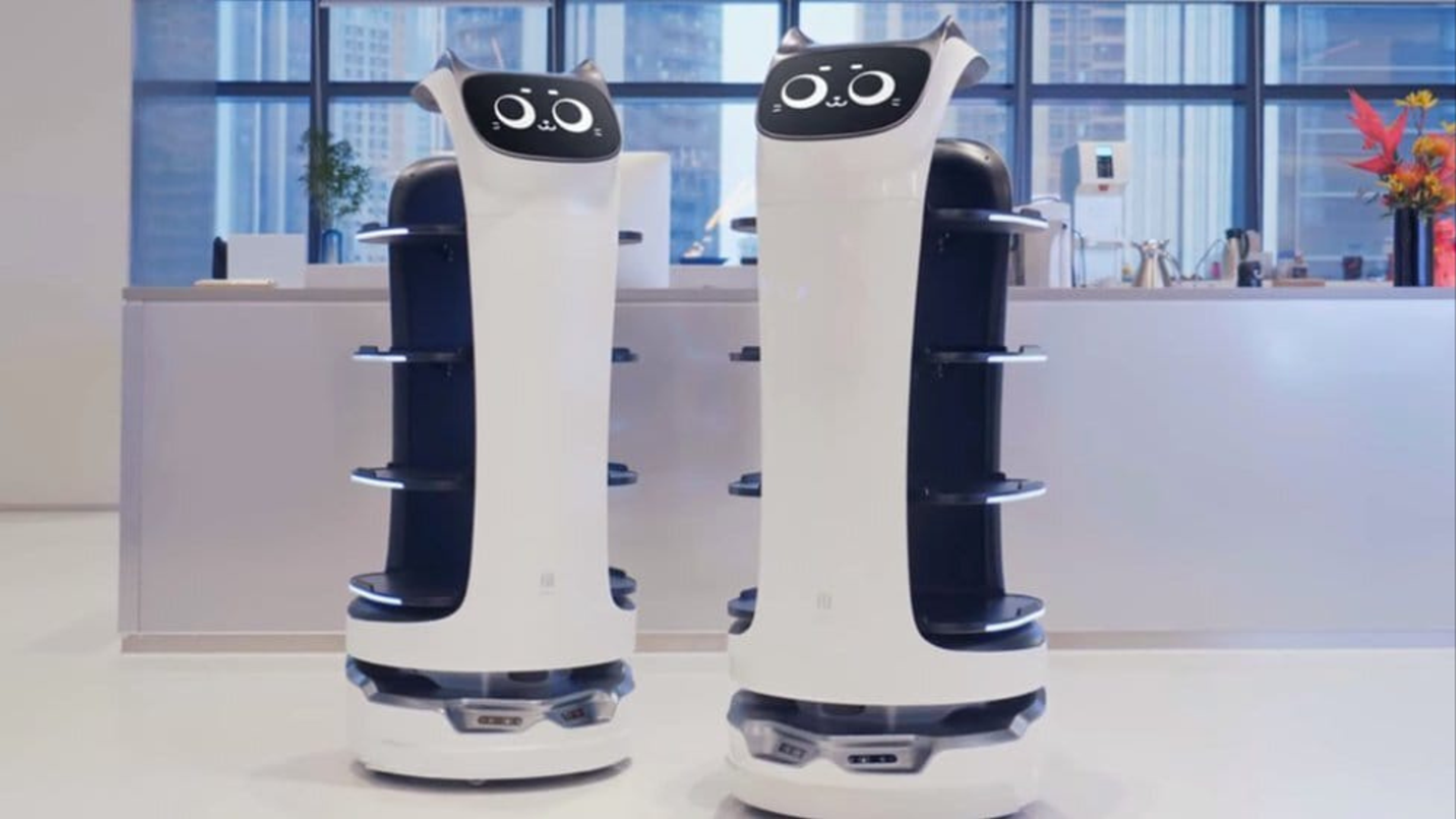
Whenever a new technology enters a workplace or day-to-day chores, one question that instantly pops up in many people’s minds is whether this technology is gonna replace humans? The same is the case with service robots, too.
As more and more restaurants, hotels, hospitals, and even retail stores and warehouses are opting for robotic systems, many employees start fearing that these robots will replace them. And most of them wonder whether these machines will take over their jobs one day. Well, the simple answer to this question is no. Service robots won’t take over human jobs.
Service robots are not designed to replace employees. In fact, they are deployed to perform tasks that are either repetitive or require a lot of time and energy and little to no creativity. Rather than snatching people’s jobs, these machines help businesses improve efficiency and let human workers focus on tasks that require human skills.
Let’s suppose you see a service robot at a restaurant. It can, of course, take orders or even serve food to the customer’s table with utmost efficiency. But do you think that’s all a customer wants at a restaurant? No! A customer might have a food-related query in their mind, or maybe they have any other unexpected problem. Now, this is where human employees come into play! They are capable of building relationships with customers and even solving those unexpected problems.
The idea that robots will replace human workers is not new. In fact, it has been running for decades. Every wave of automation has brought concerns like these. And nowadays, this concern has grown even more. And that’s because AI & robotics are advancing rapidly and are quickly becoming part of many industries, including healthcare and automotive.
Service Robots Replace Tasks, Not Jobs
There is a misconception that any particular job is just about performing one task. Well, that really is not the case. In reality, every role consists of many different responsibilities. Take the example of a restaurant server. Serving a customer at a restaurant is not just about bringing food from the kitchen to the table. It involves a lot of other tasks, too. These include greeting the guests, answering their questions, recommending custom food items as per customers’ preferences, handling complaints, processing payments, etc. All these come together to result in a pleasant dining experience. Now, here in this case, a delivery robot can serve meals, but what about all these responsibilities? These are, of course, handled by a human worker.
Likewise, there are many other such examples, including:
- Hotel employees. Their job is not just to put towels in guests’ rooms and provide other toiletries, etc. In fact, there’s a lot more involved.
- Retail associates. They do not just transport goods from one place to another.
- Hospital staff are not only limited to carrying supplies to different departments.
Hence, instead of completely vanishing human employees’ roles, these machines reduce the workload by performing day-to-day repetitive tasks.
What Robots Do Best
Service robots perform best when the work is repetitive, physically demanding, or follows a predictable route. These are tasks that need to be completed consistently but do not require creativity, empathy, or complex decision-making.
Common examples include:
- Moving laundry carts in hotels or hospitals.
- Carrying luggage for hotel guests.
- Delivering mail and parcels within office buildings.
- Restocking vending machines and self-service kiosks.
- Transporting tools and spare parts in manufacturing facilities.
- Moving books and returning items in libraries.
- Delivering medicines from the pharmacy to hospital wards.
- Transporting baggage at airports.
When robots handle these responsibilities, staff gain more time for higher-value work. They can spend longer helping customers, solving problems, increasing sales, or improving the overall experience instead of repeatedly walking the same routes throughout the day.
This shift benefits both businesses and employees. Operations become more efficient, while workers can focus on responsibilities where human skills make the greatest difference.
Robots Across Industries
Every industry has its own operational challenges, which is why service robots perform different tasks depending on the environment.
Restaurants
Restaurants are among the fastest adopters of service robots. During busy hours, staff spend a significant amount of time walking between the kitchen and dining area. While these trips are necessary, they also reduce the time employees can spend with customers.
Food delivery robots solve this problem by transporting meals, drinks, and dishes between different areas of the restaurant. Servers can then welcome guests, answer questions, recommend menu items, handle special requests, and resolve issues more quickly. The result is a smoother dining experience without reducing the importance of human service.
Hotels and Hospitality
Hotels depend heavily on customer satisfaction. Guests expect quick service, clean facilities, and friendly staff throughout their stay. Service robots can assist by delivering room service orders or other amenities directly to guest rooms. Some robots also help transport supplies between departments or support housekeeping teams with routine deliveries.
Meanwhile, hotel employees remain focused on greeting guests, handling check-ins, solving problems, and creating memorable experiences. These personal interactions are still the heart of the hospitality industry.
Hospitals and Healthcare
Healthcare professionals already manage demanding workloads every day. Nurses and hospital staff often spend valuable time transporting medicines, meals, linens, or medical supplies across large buildings.
Autonomous service robots can handle many of these internal delivery tasks. This reduces unnecessary walking and gives healthcare workers more time to care for patients. Robots improve operational efficiency, but they do not replace the knowledge, compassion, or critical decision-making that medical professionals provide.
Retail Stores
Retail businesses use service robots in several ways. Some help transport inventory from storage areas, while others assist with product guidance or promotional displays. Certain robots can even help customers find specific aisles or departments.
These systems improve store operations, but employees continue to play the leading role in customer service, product recommendations, merchandising, and sales. Shopping remains a human experience, and robots simply make that experience more efficient.
Offices/Warehouses
Large commercial spaces involve constant movement of documents, equipment, supplies, and packages. These repetitive tasks take time away from more valuable work.
Service robots can transport items across offices, deliver packages between departments, or assist with routine floor cleaning. Employees are then free to focus on planning, coordination, customer communication, and other responsibilities that require human judgment.
Why Businesses are Investing in Service Robots
For most business owners, adopting robots is not about replacing employees. It is about improving productivity while dealing with today’s operational challenges.
One of the biggest challenges is the ongoing shortage of workers across many service industries. Restaurants, hotels, healthcare facilities, and retailers often struggle to fill open positions. Existing employees must work harder, which can increase stress and reduce service quality.
Service robots help businesses maintain operations even when staffing is limited. They take over repetitive work so teams can continue delivering a high level of service without becoming overwhelmed.
Another major factor is rising labour costs. As wages continue to increase, businesses look for ways to improve efficiency without sacrificing customer satisfaction. Robots provide a predictable way to complete repetitive tasks while employees focus on work that directly creates value.
Consistency is another important benefit. Unlike people, robots do not become tired after long shifts or lose focus during repetitive work. They follow the same routes and complete the same tasks with reliable accuracy throughout the day. This consistency helps businesses create smoother workflows and better overall operations.
Human-Robot Collaboration
The future of service industries is not about choosing between people and robots. It is about creating a workplace where both contribute their strengths.
In a hybrid workforce, each side focuses on what it does best. Service robots handle repetitive, time-consuming, and physically demanding tasks. Employees concentrate on communication, decision-making, creativity, and customer care. This balance benefits everyone involved.
Employees spend less time on routine work and more time on meaningful responsibilities. Customers receive faster service without losing the personal interactions they value. Businesses improve efficiency while maintaining the quality of their customer experience. Rather than competing with employees, service robots become reliable teammates that support daily operations.
Current Limitations of Service Robots
Although service robots have advanced significantly, they still have limitations. Knowing these limits helps businesses set realistic expectations.
Robots perform best when tasks are structured and predictable. They can follow mapped routes, transport items, and complete routine workflows with impressive consistency. However, they struggle when situations require emotional understanding, creativity, or complex judgment.
For example, a robot cannot calm an upset customer, negotiate a business deal, train a new employee, or make strategic decisions during an unexpected situation.
Service robots also require proper planning, maintenance, and staff training. Businesses must ensure that employees understand how to work alongside robotic systems to achieve the best results.
Recognizing these limitations reinforces an important point: robots are tools that support people, not replacements for human expertise.
Final Thoughts
So, do service robots replace employees? For most of the businesses, the answer is a straight no. Service robots replace repetitive tasks, not employees. These machines handle deliveries and cleaning, etc. This lets employees have spare time for responsibilities that require human decision-making and problem-solving skills.
Deploying robots doesn’t mean reducing the workforce. In fact, the interesting part is that these robots actually make the workforce stronger. Employees can look after customers and improve operations. Moreover, they can contribute in a way that’s impossible for machines.
As the problem of labour shortage and operating costs continues to increase, opting for robots is surely beneficial for businesses. Using these machines as valuable tools will help business owners achieve maximum customer satisfaction. In the future, the most successful organizations won’t be the ones that replace humans with robots. They will be the ones that combine human capabilities with intelligent automation for faster and more efficient operations.
In the coming years, the question will no longer be whether robots will replace employees. The real question will be how effectively businesses handle these 2 resources together.
More articles on this topic
60 articles ReportChina's Humanoid Supply Chain Moves Toward Industrial Production
 ReportChina Launches First National Standards for Humanoid Robots
 ReportAbu Dhabi’s New Robot Cooks Dinner Within Four Minutes
 ReportIntrinsic Want Factories to Stop Writing Robot Code
 ReportCounterpoint Expects Work Applications to Drive 90% of Humanoid Shipments by 2030
 ReportYou Could Soon Spot Robots On The Streets In Japan
 ReportRobots In LA Can Now Deliver Food To Doorsteps. Here’s How.
 ReportUnitree’s 'Superman' Robot Claims to Outrun Usain Bolt
 ReportForeign Investors And Tech Executives Pay Up To $15,000 To Tour China’s Factories
 ReportCan Certified Robots Compete With China's Cheap Patrol Bots?
 ReportQuadruped Robots Are Becoming Big Business: Here’s Why The US Is Targeting Chinese Makers
 ReportNEURA Wants to Give Hundreds of Cleaning Robots a Smarter Brain
BUSINESS NEWS WEEKLY LETTER
The Weekly Letter for Robotics Professionals, Summarizing the Most Important Industry Moves, Launches, Deals and Signals.