Are Robots Really Taking Manufacturing Jobs?
We all know that industries are gradually moving towards automation. They are increasingly adding machines to lower costs and improve work efficiency.

July 22, 2026 by Carl
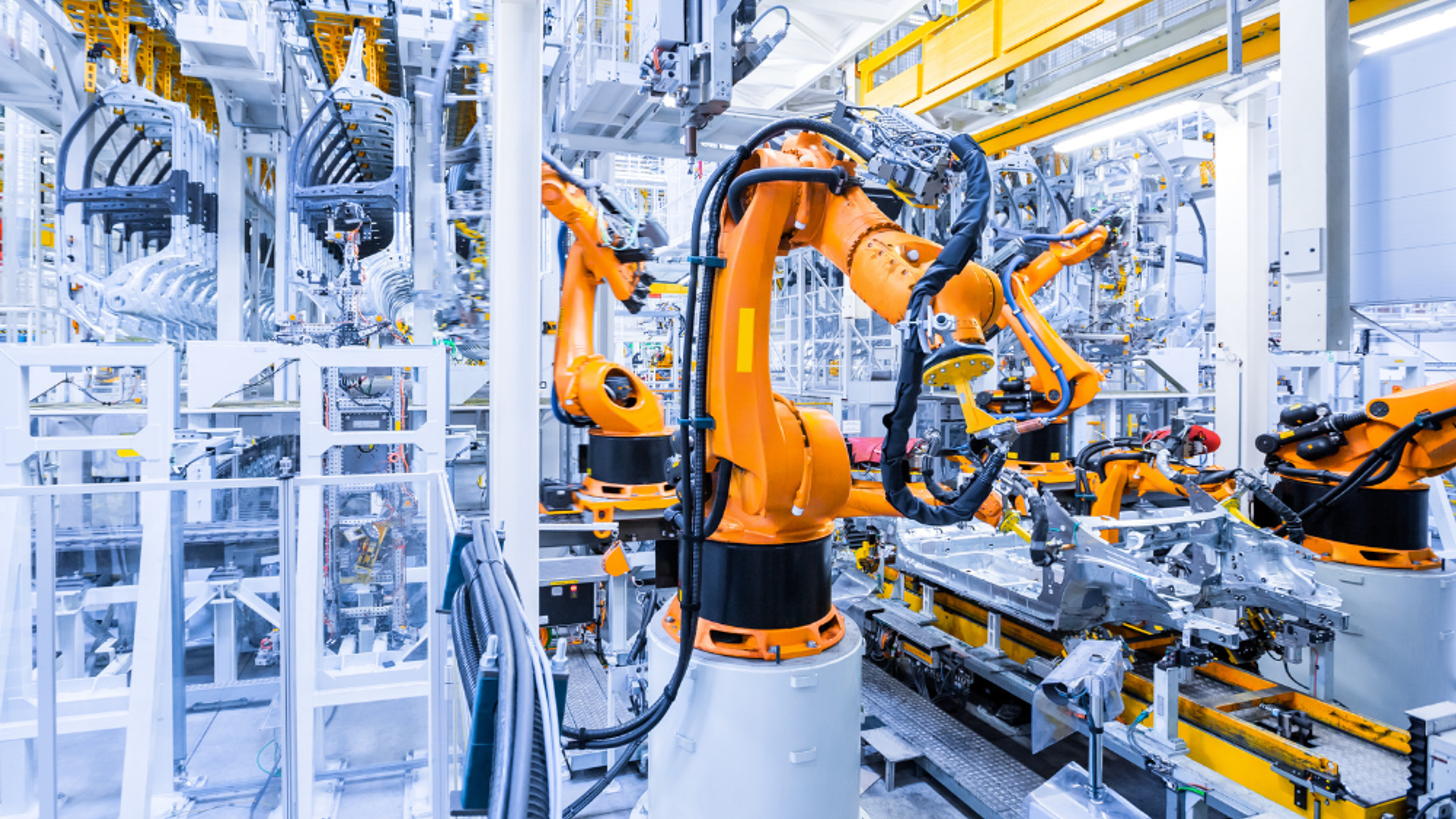
We all know that industries are gradually moving towards automation. They are increasingly adding systems and machines to lower costs and improve the efficiency of work. This can be mainly seen in the manufacturing industry.
But with this, there is a misconception circulating that robots will take away manufacturing jobs. They will make workers unemployed. There is a growing concern over this and a fear in the job industry. Because of this, some have started distrusting the use of AI, robots, and similar systems.
This is what most employees think about AI and robots. But one thing is important to understand here. Using the latest technology is not meant to take away someone’s job. It is integrated to enhance productivity and perform tasks that require repetition. Also, robots are used to perform tasks that are time-consuming.
First things first: the integration of robots and AI is not something new. Businesses have been using it for years, and its usage is now increasing day by day. The point here is to understand that the purpose of introducing these systems is to increase productivity with accuracy. At the same time, the goal is to make the work environment safer for employees.
You must be thinking, how? Well, robots are used in places that are dusty, filled with debris, and are not safe for humans to go. So think now, is it adding benefits or taking away someone’s role?
Though AI and automation will impact jobs across all industries, it is very important to understand that this trend is not limited to the manufacturing industry only.
There are several roles that robots have replaced in recent years. For example, the technology has replaced assembly line workers by taking over repetitive tasks. Robots have also replaced workers who handle various types of materials in warehouses. Also, this technology can carry out predictive maintenance without any assistance to reduce downtime.
However, it is worth noting that all these changes have been made over the course of 10 years. Likewise, technology has not just eliminated roles, but it has also introduced many of them in various sectors.
Will Robots Replace Humans?
It is human psychology to get worried about something before it actually happens. The same is the case here. For years, workers have been worried about robots. They think that robots are going to replace them. However, when you look at reality, you will see a different side of the picture.
It is also true that a lot has changed after adopting AI and robots, but that does not mean that the importance of skilled workers is gone. They have a special place, and companies still rely heavily on them.
These robots that humans are afraid of haven’t taken their jobs. Instead, they have helped them perform repetitive tasks or those that put workers in danger.
This combination (robots + AI) has also boosted productivity. And of course, human workers are still important because they have to make decisions, troubleshoot problems, do maintenance work, and optimize processes. In fact, robots are not taking over jobs; instead, they are changing the work itself.
Why Manufacturers are Opting for Robots & AI
According to the World Economic Forum report, technological change will create 170 million new jobs by 2030 worldwide. It will also replace 92 million existing jobs and will result in a net gain of 78 million jobs. So what does all that mean?
This shows that the biggest challenge that the world is going to face is not the elimination of jobs, but transforming the workforce and reskilling them.
Manufacturers are moving towards automation and robot technology because of these reasons.
First of all, there is an extreme shortage of workforce. Especially after COVID, many workers have left their jobs or changed industries. Some of them have retired. So, this has created a big gap. And factories are facing difficulty in hiring a skilled workforce.
To overcome this problem, factories are now shifting towards AI and automation. This automation is not limited to robots only; AI can also adjust production schedules automatically. It can also assign work equally to workers, give instructions, and manage the work if someone is absent.
A few years ago, technology wasn’t that efficient. Now, it has improved a lot. Factories are now using AI and robots for work. Manufacturers are using them to find defects, improve production, predict future demand, automate repetitive tasks, and much more. Even a common person has access to large language models. But the main point is that AI will only perform well when it has a large amount of high-quality data. That is the reason companies are spending more and more on tools like manufacturing execution systems and connected worker platforms.
Moreover, manufacturing industry standards are getting stricter. Now, more accuracy is required in electronics, automotive, defense, and similar industries. Even a minor mistake can cost manufacturers a huge amount of money.
AI-based machines work more precisely and maintain a quality that is consistent. They also keep a record of every step and minimize the chances of errors made by humans. But that does not mean that skilled workers are not important; their importance is still there. Only a skilled worker, like an electrician or welder, can tell how to use a particular piece of equipment or machine to get the best results.
This all shows that robots are not taking anyone’s jobs. They will work with humans. Companies are adopting the approach of robotics and AI because they want to address the problem of workforce shortages.
AI is getting more advanced day by day. And there is a need to make products of higher quality than ever before by using the latest technology. So, the question is not whether companies will adopt the latest practices or not, but how smartly they are going to implement AI and robots.
So What’s the Final Take on That?
Considering all the scenarios, it can be clearly said that AI, on one hand, will replace a few jobs, but it will also create several other opportunities. The jobs that involve repetitive tasks or routine work will be at risk. This includes data entry, admin work, routine warehouse tasks, and jobs that need basic scheduling.
Similarly, the demand for some jobs will increase as AI produces more of them. Skilled technicians, robotics specialists, manufacturing engineers, automation experts, AI supervisors, and other similar roles that involve problem-solving minds will see high demand.
The study on AI development shows that it will also have an impact on managerial roles. It may lower the demand for middle management and reporting duties. Managers’ jobs will not completely disappear. Instead, they will be hired to focus more on strategy, team development, decision-making, and improving the process.
In short, AI will automate routine jobs. It will also contribute to producing more jobs. It is good news for skilled people, as their demand will increase. And the companies that adopt automation, AI, and robotics will become more competitive than others.
More articles on this topic
60 articles ReportChina's Humanoid Supply Chain Moves Toward Industrial Production
 ReportChina Launches First National Standards for Humanoid Robots
 ReportCounterpoint Expects Work Applications to Drive 90% of Humanoid Shipments by 2030
 ReportUnitree’s 'Superman' Robot Claims to Outrun Usain Bolt
 ReportForeign Investors And Tech Executives Pay Up To $15,000 To Tour China’s Factories
 ReportCan Certified Robots Compete With China's Cheap Patrol Bots?
 ReportQuadruped Robots Are Becoming Big Business: Here’s Why The US Is Targeting Chinese Makers
 ReportHumanoid Robots Hit Mass Production
 ReportHow Robots Are Learning to Read Minds?
 ReportAre Humanoid Robot Videos Misleading Us?
 ReportHow Do Collaborative Robots Increase Workplace Safety?
 ReportHow to Train a Humanoid Robot for Hard Work
BUSINESS NEWS WEEKLY LETTER
The Weekly Letter for Robotics Professionals, Summarizing the Most Important Industry Moves, Launches, Deals and Signals.