Hotel Room Service Delivery Robots Explained
Hotel room service delivery robots are transforming hospitality with autonomous deliveries, contactless service, and improved operational efficiency for hotels.

August 7, 2026 by Carl
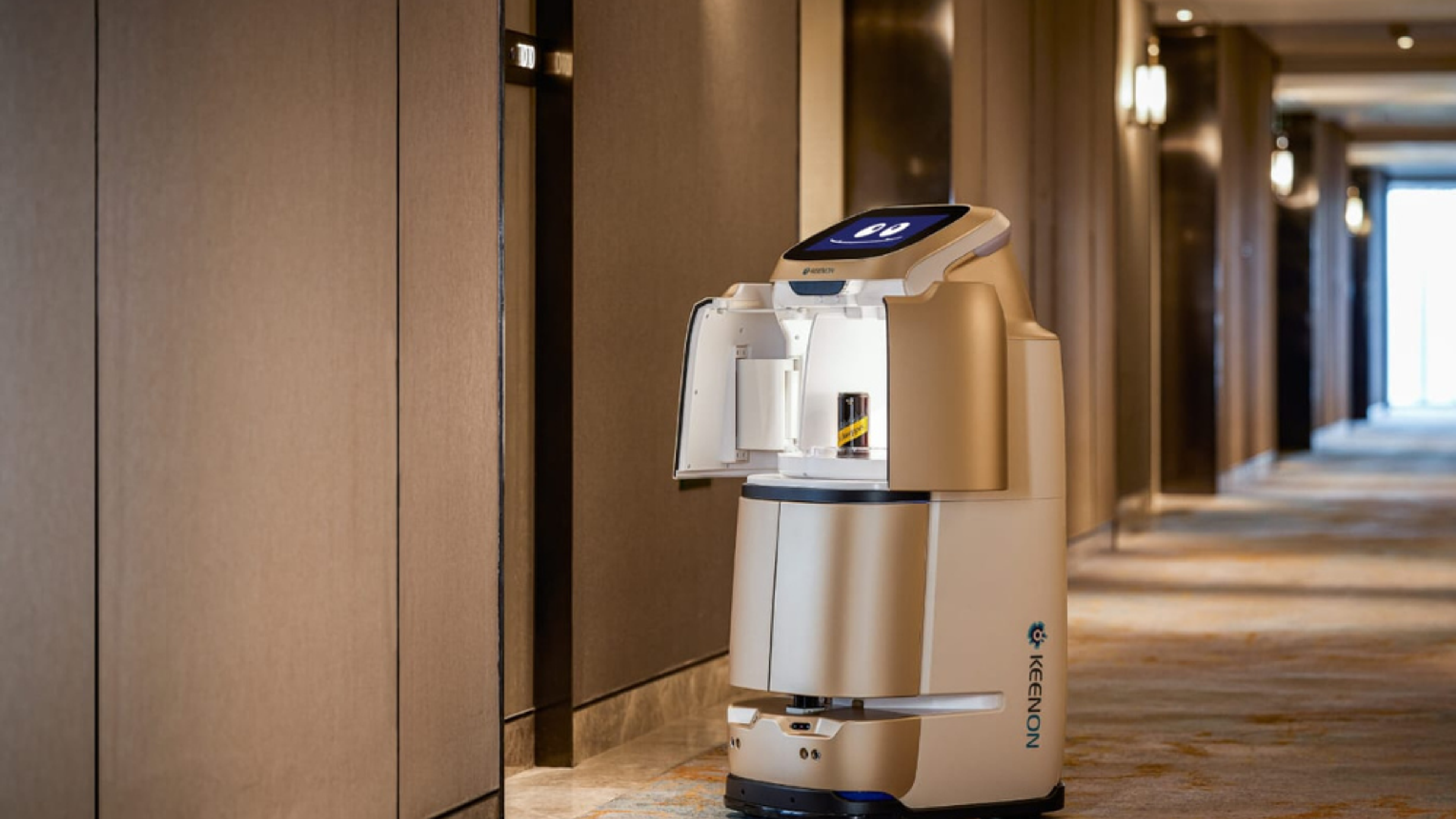
Hotel room service delivery robots are becoming more and more common with each passing day. There was a time when these machines were considered a futuristic concept. But now? Well, now these autonomous machines are being used in hotels for a variety of tasks like delivering food/drinks and even towels/toiletries to the hotel rooms.
In order to improve their service and handle day-to-day tasks more efficiently, a number of hotels have started using these robots. Keeping in mind the rising demand for robots along with the ever-advancing hospitality technology, there are many manufacturers who are introducing robots specifically designed for hotel environments. Among these top manufacturers are Keenon Robotics, Relay Robotics, Pudu Robotics, and Savioke. These companies are developing autonomous delivery platforms that can figure out their way in hotel corridors and deal with elevators. Not only this, but these autonomous machines can also move between floors and transport items safely to guests’ rooms.
What are Hotel Room Service Delivery Robots?
Hotel room service delivery robots are autonomous mobile robots that are basically designed to take different kinds of items from one place to another in a hotel. And to perform this task, these robots do not need any help from a human employee. Thanks to those advanced sensors, cameras, mapping technology, and intelligent navigation software, these robots can move around hallways and protect themselves from obstacles.
As compared to traditional service carts that move only when a hotel employee pushes them, delivery robots start operating on their own once they are assigned a request. As soon as the robot gets a task, it first of all calculates the best route and then reaches its destination.
Room service robots do not find it hard to travel through multiple floors using elevators and all. And the reason is that their systems are integrated with hotel infrastructure, including elevators and guest communication platforms, etc.
Typical Deliveries Performed by Hotel Robots
You must be wondering that if you have to get anything delivered to your room the next time you go to spend time in a hotel, what all can you order, right? Well, modern hotel delivery robots can transport a variety of stuff. Their exact capabilities depend on their size and storage capacity. The most common items of delivery include:
- Meals & beverages
- Fresh towels & linens
- Toiletries & personal care products
- Guest amenities
- Bottles of water
- Snacks & refreshments
- Products purchased from hotel gift shops/convenience stores
Moreover, these robots are particularly useful when it comes to late-night guest requests. They come in really handy at that time because at that hour most of the staff is either sleeping or has gone home.
Here, it is worth mentioning that if hotel owners use robots, they do not intend to replace human employees. Instead, they opt for robots to help human employees and reduce their workload. Robots manage deliveries while employees interact with guests and provide them personalized services.
How Hotel Delivery Robots Work
Hotel delivery robots use a combination of autonomous navigation, intelligent software, and building integrations to transport items throughout a property. Before deployment, each robot creates a detailed digital map of the hotel using sensors, cameras, and advanced mapping technology. This allows it to recognize hallways, guest room corridors, elevators, and shared spaces while planning the most efficient delivery routes.
As the robot moves through the hotel, it constantly scans its surroundings to detect guests, luggage carts, housekeeping trolleys, and other obstacles. It adjusts its path in real time, ensuring smooth and safe navigation even in busy environments.
To deliver items across multiple floors, the robot connects with compatible elevator systems. It can call the elevator, select the correct floor, and continue its journey without human assistance, enabling a single robot to serve the entire property.
Most hotel delivery robots also feature secure enclosed compartments that protect food, drinks, toiletries, and other guest items during transport. Upon arrival, guests receive a notification through a phone call, text message, mobile app, or the robot’s display, and the compartment unlocks for retrieval. After completing the delivery, the robot either accepts its next assignment or automatically returns to its charging dock, keeping it ready to provide reliable service around the clock.
Traditional Hotel Delivery Operations vs. Hotel Delivery Robots
For many years, hotels have depended on employees to deliver food, beverages, amenities, and other guest-requested items. Although this approach continues to work well, hotel delivery robots offer a modern alternative by automating routine deliveries. They help improve operational efficiency, support hotel staff, and provide faster, more consistent service for guests.
Room Service Delivery
Traditionally, hotel employees manually transport food and beverages to guest rooms. With hotel delivery robots, orders are delivered autonomously throughout the property without requiring staff to make each trip.
Amenity Requests
When guests request towels, toiletries, or other amenities, staff often have to pause their current responsibilities to make the delivery. Hotel delivery robots handle these routine requests, allowing employees to stay focused on guest service.
Multi-Floor Transportation
In traditional operations, employees spend considerable time traveling between floors and guest rooms. Elevator-integrated robots can move autonomously between floors, making deliveries across the entire hotel.
Labor Allocation
Hotel staff typically divide their time between transportation tasks and guest-facing responsibilities. By taking over repetitive deliveries, robots enable employees to dedicate more time to hospitality and personalized guest interactions.
Late-Night Guest Requests
Limited overnight staffing can lead to slower response times for guest requests. Hotel delivery robots provide reliable delivery support around the clock, helping maintain consistent service.
Contactless Service
Traditional deliveries usually involve direct interaction between staff and guests. Robots offer a convenient contactless delivery option while ensuring items reach guests safely.
Operational Consistency
Delivery times in traditional hotels often vary depending on occupancy levels, staffing, and workload. Robots provide more standardized and predictable delivery performance regardless of staffing fluctuations.
Guest Experience
Conventional service quality depends largely on staff availability and response times. Hotel delivery robots enhance the guest experience by providing faster, reliable deliveries while adding an innovative touch to the hotel’s service.
Why Hotels are Using Room Service Delivery Robots
Hotels around the world are considering using room service delivery robots for the sake of improving daily operations and providing a better guest experience. There are many reasons why hotels are opting for room service delivery robots.
First things first, the labor shortage. There are many hotels that face serious staff shortage issues. And because of that, hotel owners find it hard to fulfil guest requests and maintain high service standards.
Moreover, as we all know, the world is moving fast nowadays. No one really likes to wait for longer periods. The same is the case with travelers. They want quick responses and more convenient and smooth experiences. Now meeting all these requirements within a short period of time becomes overwhelming and, of course, tiring for a human employee. And here’s where robots make the difference. They help hotels deliver items quickly and reduce staff workload. Plus, they also help maintain consistent service throughout.
Delivery robots also help hotels make better use of their workforce. Hotel employees often manage several responsibilities at once, including front desk duties, housekeeping support, and guest assistance. By taking over routine deliveries, robots allow staff to spend more time assisting guests, solving problems, and providing personalized service.
Another reason these robots are becoming popular is the growing demand for contactless service. Many guests appreciate the convenience and privacy of receiving deliveries without direct interaction. Whether someone orders a late-night meal, requests fresh towels, or needs forgotten toiletries, a delivery robot can complete the task quickly while providing a modern and convenient experience.
Another advantage is an improved guest experience. Many travelers enjoy interacting with delivery robots, making their stay more memorable.
Finally, hotel delivery robots can operate throughout the day and night. Whether during busy periods or when staffing is limited, they help hotels maintain dependable service and ensure guest requests are handled quickly and efficiently.
Leading Hotel Delivery Robot Manufacturers
The hotel delivery robot market has expanded rapidly, with manufacturers offering solutions designed for hospitality. Hotels evaluate robots based on features like elevator integration, delivery capacity, software, fleet management, and operational fit. While some properties purchase robots, others choose Robotics-as-a-Service for greater flexibility and lower upfront investment.
Keenon Robotics
Built specifically for hotels, Keenon’s ButlerBot W3 is designed to navigate guest floors and use elevators independently to complete room deliveries. Its enclosed storage compartments help keep food, amenities, and retail purchases secure until guests retrieve them.
Relay Robotics
Relay+ by Relay Robotics is known for its seamless integration with hotel operations. It can coordinate with property management systems, contact guests upon arrival, and perform autonomous deliveries while reducing staff travel time across large hotel properties.
Pudu Robotics
Pudu Robotics’ FlashBot combines autonomous navigation with intelligent multi-floor operation, making it ideal for high-rise hotels. Its spacious enclosed cabin allows it to transport multiple items in a single trip while maintaining privacy and security.
Savioke
One of the earliest delivery robots developed for hotels, Relay by Savioke is designed to work alongside hotel staff rather than replace them. It autonomously travels through guest areas, rides elevators, and notifies guests when their delivery arrives outside the room.
Bear Robotics
Originally developed for restaurants, the Bear Robotics’ Servi Platform is also used in hotels for transporting meals between kitchens and guest areas. Its large carrying capacity makes it well suited for moving multiple trays or supplies efficiently.
The Bottom Line
Hotel room service delivery robots are not a futuristic idea anymore. Rather, they’ve become a practical tool for modern hotels. These robots automate routine deliveries and improve hotels’ operational efficiency. Moreover, they reduce staff’s workload and provide faster service to the guests.
But still, no matter what, these robots can’t replace humans at all. All they do is handle repetitive tasks just so that human staff can look after guests in a much better way. It’s the balance between human service and automation that serves as a key factor when it comes to running a successful hotel business.
If you’re the owner of a hotel and considering investing in robots, you must properly analyze your hotel’s property layout, operational needs, delivery volume, and most importantly, your budget. There are many features of a robot, including elevator integration, secure storage compartments, fleet management, battery life, and deployment, that might influence which solution is the best fit.
As robotics and AI continue to advance, there’s a high chance hotel delivery robots will become even more capable and widely adopted. Whether a hotel opts for purchasing a robot or uses a Robotics-as-a-Service model, the goal remains the same. And that is improving operational efficiency while creating a smoother and more enjoyable experience for guests.
More articles on this topic
60 articles ReportChina's Humanoid Supply Chain Moves Toward Industrial Production
 ReportChina Launches First National Standards for Humanoid Robots
 ReportIntrinsic Want Factories to Stop Writing Robot Code
 ReportCounterpoint Expects Work Applications to Drive 90% of Humanoid Shipments by 2030
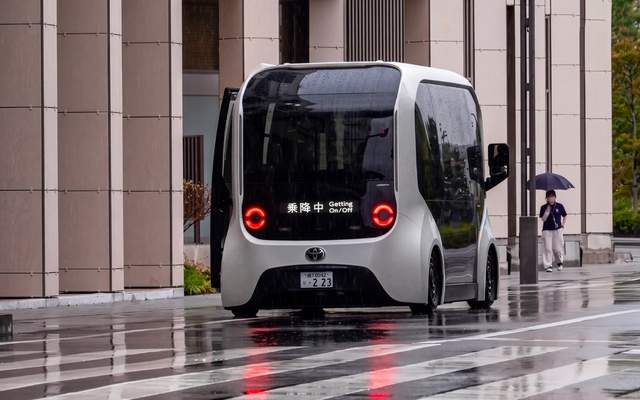 ReportYou Could Soon Spot Robots On The Streets In Japan
 ReportUnitree’s 'Superman' Robot Claims to Outrun Usain Bolt
 ReportForeign Investors And Tech Executives Pay Up To $15,000 To Tour China’s Factories
 ReportCan Certified Robots Compete With China's Cheap Patrol Bots?
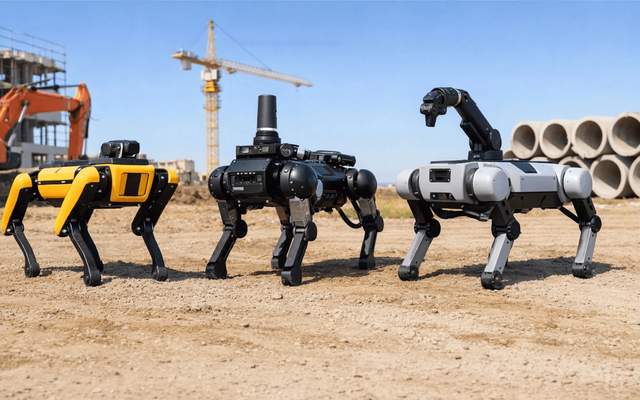 ReportQuadruped Robots Are Becoming Big Business: Here’s Why The US Is Targeting Chinese Makers
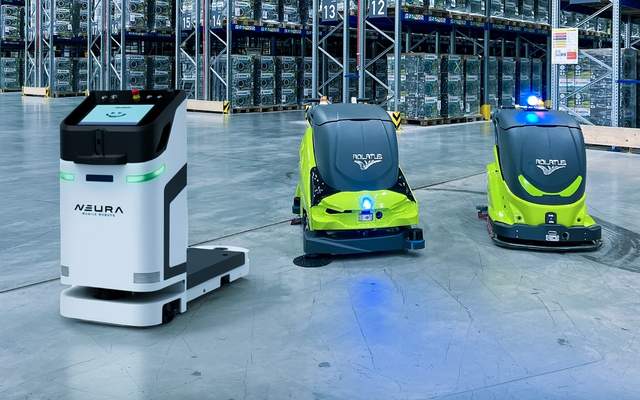 ReportNEURA Wants to Give Hundreds of Cleaning Robots a Smarter Brain
 ReportHumanoid Robots Hit Mass Production
 ReportHow Robots Are Learning to Read Minds?
BUSINESS NEWS WEEKLY LETTER
The Weekly Letter for Robotics Professionals, Summarizing the Most Important Industry Moves, Launches, Deals and Signals.