New York Pauses Humanoid Robot Teaching Assistant After Sex Doll Backlash
Melinda Person, president of the New York State United Teachers union, told reporters, “A robot built by a company associated with sex dolls has no business in our classrooms.”

July 28, 2026 by Siyanne
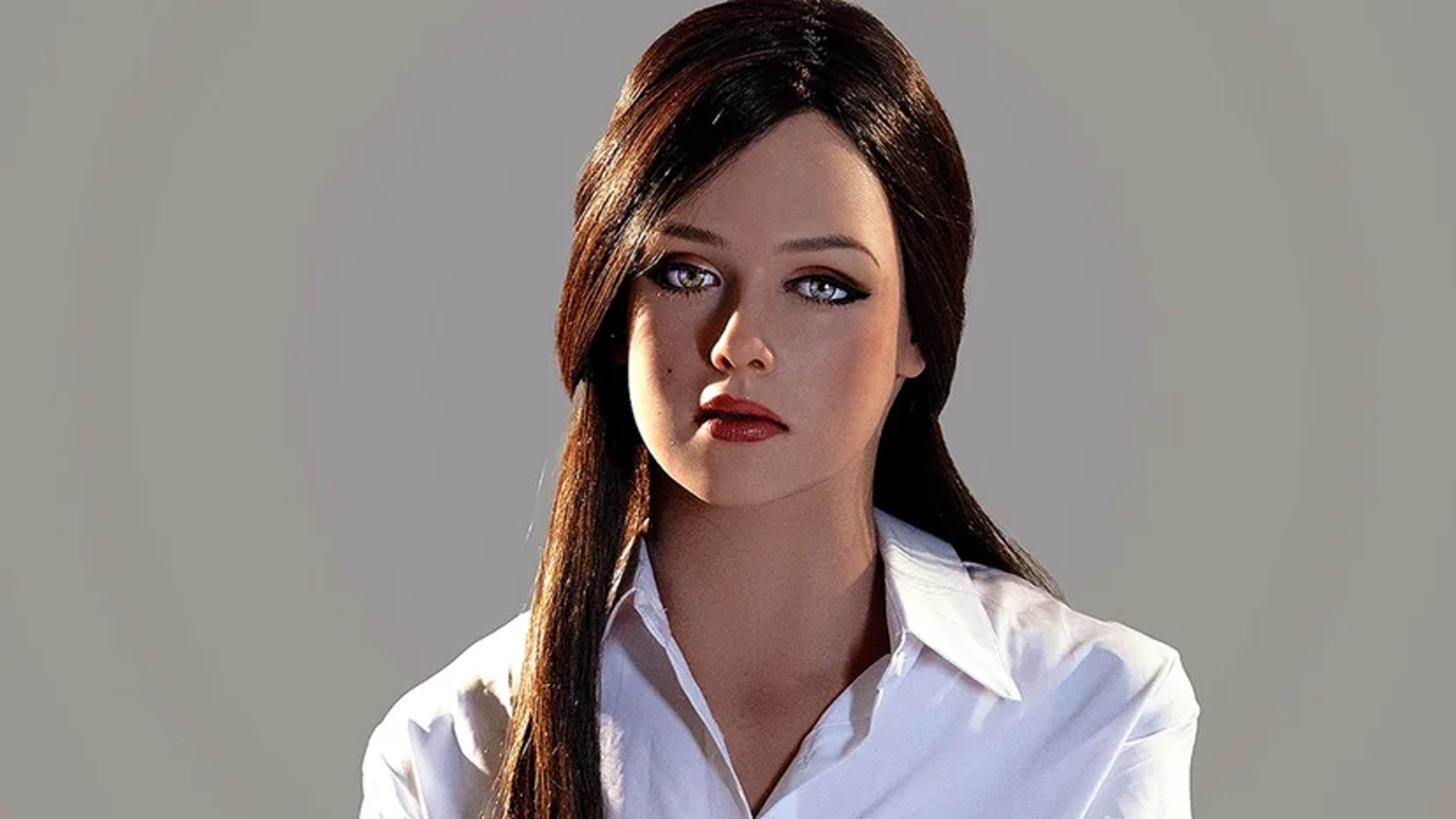
A school district in New York state paused plans to deploy a humanoid AI robot teacher after facing backlash over the manufacturer’s ties to a company that produces hyper-realistic sex dolls.
The Salamanca City Central School District approved the purchase of “Sally,” a life-sized robot with silicone skin and long brown hair. School officials said that Sally would help high school students studying robotics and technology.
Las Vegas-based manufacturer Realbotix LLC acquired Simulacra Corporation, the parent company to Abyss Creations, which is known for making sex dolls, including AI-powered models billed as the “world’s most advanced sex robot.” The company insists the two subsidiaries operate separately with different management, facilities, and staff.
Melinda Person, president of the New York State United Teachers union, told reporters, “A robot built by a company associated with sex dolls has no business in our classrooms.”
Parents and teachers who spoke to The Guardian expressed concerns about student data privacy. CEO Andrew Kiguel had described how students would identify themselves with codes, which allows Sally to access their learning history. The district later assured that Sally would not record audio or video or send data back to RealBotix. The Salamanca Teachers’ Association also voiced concern about the security and storage of data and the robot’s recording abilities.
Teachers warned that the program was a first step toward replacing human educators. The superintendent of the Salamanca City Central School District stressed the pilot was not about replacing staff. “There is no possible way a robot can replace a human in a school,” he said. He also argued that for rural schools like Salamanca—located on the Seneca Nation reservation, hours from tech hubs—Sally would “level the playing field.”
The pilot is now on hold while the district negotiates privacy agreements with state officials. Last year, a San Diego charter school deployed two similar AI robots for $500,000 without the same controversy.
Robot24.com Business News TAKE:
The story of Sally, who was nicknamed by students, shows that for teaching assistant robots, the real test is not passing a programming exam. While the hardware is ready, trust, privacy, and public perception are yet to catch up. The hyperrealistic appearance seems like it hasn’t broken the psychological barrier. For humanoid robots to enter schools, companies will need more than technical capability. They will need family-friendly branding, bulletproof privacy guarantees, and a long, slow public education campaign. Sally reportedly remains in a Las Vegas warehouse.
More articles on this topic
235 articles ReportChina Is Sending Humanoid Robots To School
 ReportWhat it Really Costs to Own a Personal Assistant Robot at Home
 ReportA Little Company, Courtesy of a Robot
 ReportA Humanoid Walks into a New York Park
 ReportRailway Inspection Robots Search for Defects in Tracks
 ReportChina's Humanoid Supply Chain Moves Toward Industrial Production
 ReportCompanionship now comes with a Charging Cable
 ReportCould a Robotic Guide Help Blind Travelers Navigate Public Spaces?
 ReportThis Robot Finds Cracks and Fixes Them
 ReportXPENG's IRON Humanoid Adapts to Changing Human Gestures in Real Time
 ReportRobots Are Learning to Sort Clothes for Textile Recycling
 Report110 Humanoid Robots Set Guinness World Record With Synchronized Dance
BUSINESS NEWS WEEKLY LETTER
The Weekly Letter for Robotics Professionals, Summarizing the Most Important Industry Moves, Launches, Deals and Signals.