Real-World Applications and Challenges of Educational Robots
From Bee-Bot to NAO, educational robots are making classrooms more interactive by teaching programming and critical thinking through engaging activities.

August 3, 2026 by Carl
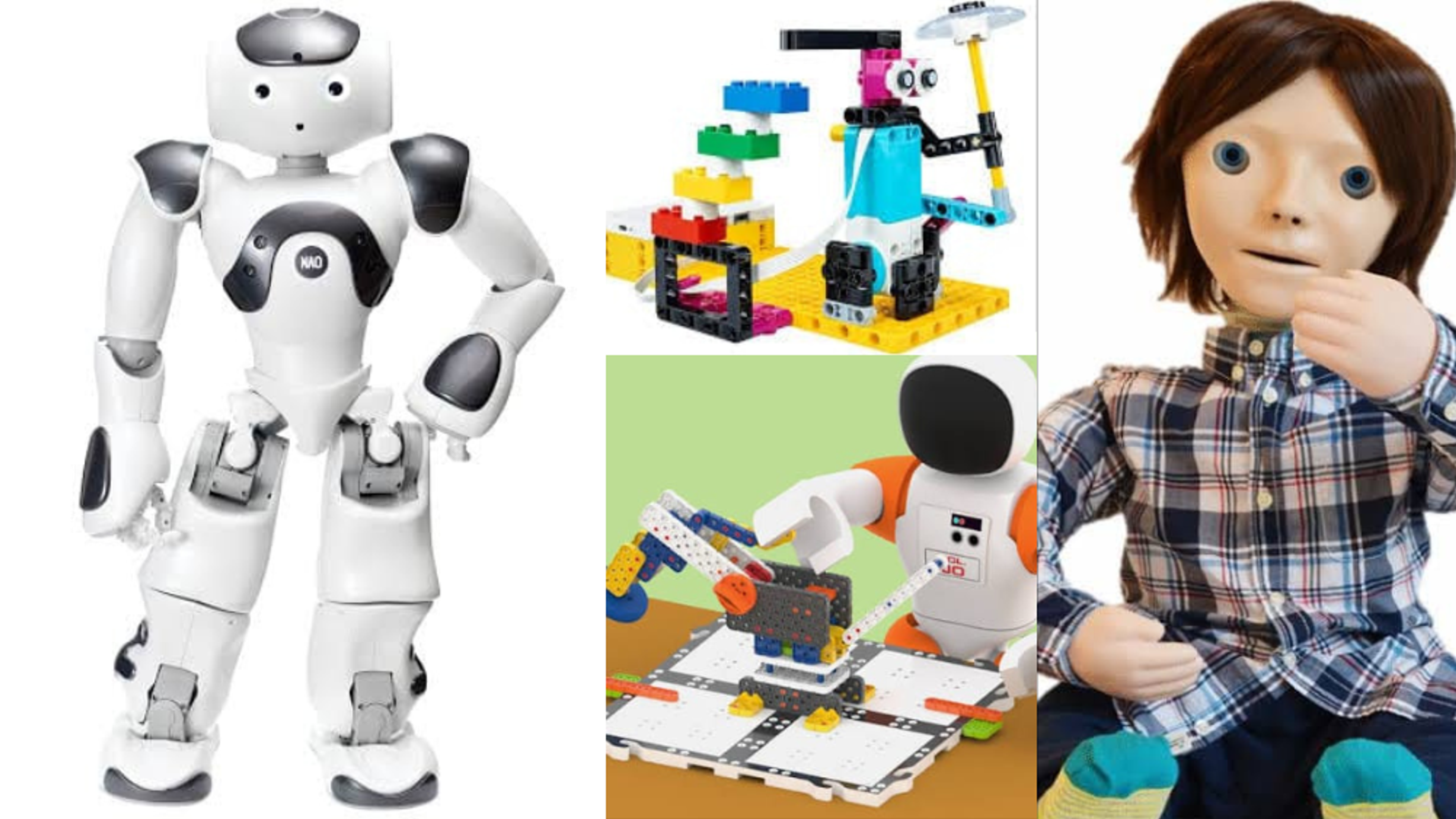
Educational robots are not limited to just research labs or demos. Now, students can use these robots to learn tough skills like coding and science, or even engineering and problem-solving techniques. And the most interesting part? Some of these robots are capable of helping students with special educational needs.
As compared to traditional learning tools used in classrooms, educational robots make learning way more practical. Students can build their own robots and can give these robots instructions using simple programming methods. And then they can also see real-time results. This hands-on learning proves to be super beneficial for students to understand difficult concepts with ease. But that’s not all! This approach also helps learners improve their critical thinking skills.
As technology is evolving fast, even schools nowadays are more inclined towards normalising enhancing digital skills rather than those typical ones. Educational robots prepare students for the future as they make lessons more interactive and engaging. However, it is worth mentioning that these robots are not at all used with the intention to replace human teachers. In fact, these are just valuable tools that let students apply what they’ve learned in real-life situations.
How do Educational Robots Work?
Educational robots, as we all know, come in a variety of sizes and shapes. However, most of these work in quite a similar and simple way. First things first, these robots operate through a controller. In simple words, a controller acts as the robot’s brain. All that a student has to do is give these robots instructions through block-based or text-based programming software. These instructions tell the robot what to do.
Then another major feature is the robots’ sensors. These sensors help robots understand their surroundings. They can detect things like light, colour, distance, touch, or obstacles. Thanks to these sensors, a robot doesn’t just follow the commands given to it. In fact, it becomes capable of reacting as per its surroundings.
Then come motors and actuators. The robot uses them to perform physical actions. These include moving, taking turns, lifting objects, or operating robotic arms. Moreover, there are some advanced educational robots that even have cameras, microphones, wireless connections, etc installed in them. All these, along with artificial intelligence, help these robots identify speech and objects and communicate with students.
Hence, programming, electronics, and mechanics, when come together, they make robots capable of giving students a practical understanding of how modern robotic systems work.
Real-World Applications of Educational Robots
Different robots are designed for different age groups and learning goals, from introducing coding to young children to supporting advanced robotics research. Given below are 5 real-world applications of educational robots:
Bee-Bot
Bee-Bot is one of the most popular educational robots for young children. It introduces basic programming without requiring students to write code. Children simply press directional buttons to create a sequence of commands. The robot then follows those instructions across a classroom mat or activity board.
This simple activity teaches sequencing, logical thinking, problem-solving, and cause-and-effect. Teachers also use Bee-Bot in subjects like maths, geography, storytelling, and language, making it much more than just a coding tool.
LEGO Education SPIKE Prime
LEGO Education SPIKE Prime is widely used in middle and secondary schools for STEM education. Students build different robotic models using LEGO parts, motors, sensors, and a programmable hub. They then write programs that allow their robots to complete tasks or respond to sensor input.
This process teaches both engineering and programming. Students also learn teamwork as they design, test, improve, and solve problems together. Although LEGO Education announced that the SPIKE product line will retire in 2026, schools can continue using existing kits with software and curriculum support until 2031.
VEX GO
VEX GO helps younger students learn engineering, coding, and design through hands-on activities. Students first build robotic models using different parts and then program them using VEXcode GO software. As they test and improve their robots, they learn how hardware and software work together.
Instead of focusing only on coding, VEX GO encourages students to think like engineers. It also connects well with subjects such as science, mathematics, and technology, allowing students to apply knowledge across different lessons.
NAO
NAO is a humanoid robot designed to interact with people. The robot helps students learn through conversation and classroom activities. The robot can speak, recognise voices, perform gestures, and respond to programmed commands. Schools use it for language learning, classroom demonstrations, and interactive lessons.
Universities also use NAO for research in robotics, artificial intelligence, and human-robot interaction. It allows students to explore advanced technologies while gaining practical experience.
KASPAR
KASPAR is another humanoid robot, but it was designed for a different purpose. Developed by the University of Hertfordshire, it supports children with autism and other developmental needs. KASPAR encourages communication, turn-taking, emotional recognition, and social interaction. Because its behaviour is calm and predictable, many children feel more comfortable interacting with it.
Researchers, teachers, and therapists use KASPAR to support inclusive learning. While it does not replace teachers or therapists, it shows how robots can help create learning environments that meet the needs of different students.
Challenges of Educational Robots
Although educational robots offer many benefits, schools still face several challenges when using them.
Cost and Resources
One of the biggest challenges is cost. Schools need more than just robots. They may also need computers or tablets, software, replacement parts, internet access, and regular maintenance. These extra costs can make robotics programmes difficult for schools with limited budgets.
Teacher Training
Educational robots work best when teachers know how to use them effectively. Teachers need training to understand both the technology and the best ways to include it in classroom lessons. Without proper training, robots may be used only for simple demonstrations instead of meaningful learning activities.
Privacy and Ethics
Many modern educational robots use cameras, microphones, cloud services, and artificial intelligence. While these features improve learning, they also raise concerns about student privacy and data security. Schools must protect student information and use these technologies responsibly. At the same time, students should learn about safe and ethical use of AI.
Technical Problems
Like any technology, educational robots can sometimes stop working. Software bugs, battery issues, or damaged parts can interrupt classroom activities. Schools may need technical support to fix these problems quickly.
Limited Classroom Time
Many schools have busy schedules, making it difficult to include robotics activities regularly. Teachers often need extra time to set up the robots, explain the tasks, and let students complete their projects.
Different Learning Speeds
Not every student learns at the same pace. Some students understand programming quickly, while others need more guidance. Teachers must plan activities that keep all students involved and motivated.
Keeping Technology up to Date
Technology changes quickly. Older robots may not support the latest software or learning features. Schools may need to update or replace their robotics equipment over time, which can increase costs.
So, What’s Next?
Educational robots are becoming more and more efficient. Thanks to the rapid advancement in artificial intelligence and robotics. In the near future, these robots are expected to provide personalized learning as per each student’s specific needs. Not only this, but these robots are also expected to understand speech in a better way along with communicating and interacting with students more naturally. Plus, these educational robots can also be used in other subjects like healthcare, arts, and design rather than just science.
However, robots are not replacing teachers. Teachers will provide guidance and improve students’ creativity along with providing emotional support. This is why educational robots will continue working as classroom tools, making learning more practical and interactive.
From Bee-Bot that helps younger students learn programming to NAO and KASPAR that support communication and social learning, educational robots are already bringing a positive impact in education. Although cost, teacher training, or privacy issues do serve as a challenge, these technologies are still improving with each passing year. As schools are preparing students for a digital future, educational robots are surely playing a major role in providing students with the required knowledge and skills.
More articles on this topic
60 articles ReportChina's Humanoid Supply Chain Moves Toward Industrial Production
 ReportChina Launches First National Standards for Humanoid Robots
 ReportCounterpoint Expects Work Applications to Drive 90% of Humanoid Shipments by 2030
 ReportUnitree’s 'Superman' Robot Claims to Outrun Usain Bolt
 ReportForeign Investors And Tech Executives Pay Up To $15,000 To Tour China’s Factories
 ReportCan Certified Robots Compete With China's Cheap Patrol Bots?
 ReportQuadruped Robots Are Becoming Big Business: Here’s Why The US Is Targeting Chinese Makers
 ReportHumanoid Robots Hit Mass Production
 ReportHow Robots Are Learning to Read Minds?
 ReportAre Humanoid Robot Videos Misleading Us?
 ReportHow Do Collaborative Robots Increase Workplace Safety?
 ReportHow to Train a Humanoid Robot for Hard Work
BUSINESS NEWS WEEKLY LETTER
The Weekly Letter for Robotics Professionals, Summarizing the Most Important Industry Moves, Launches, Deals and Signals.