The Pros and Cons of Robot Automation in 2026
Automation can help businesses work faster, safer, and more efficiently. However, high costs, technical issues, and maintenance cannot be ignored.

July 24, 2026 by Carl
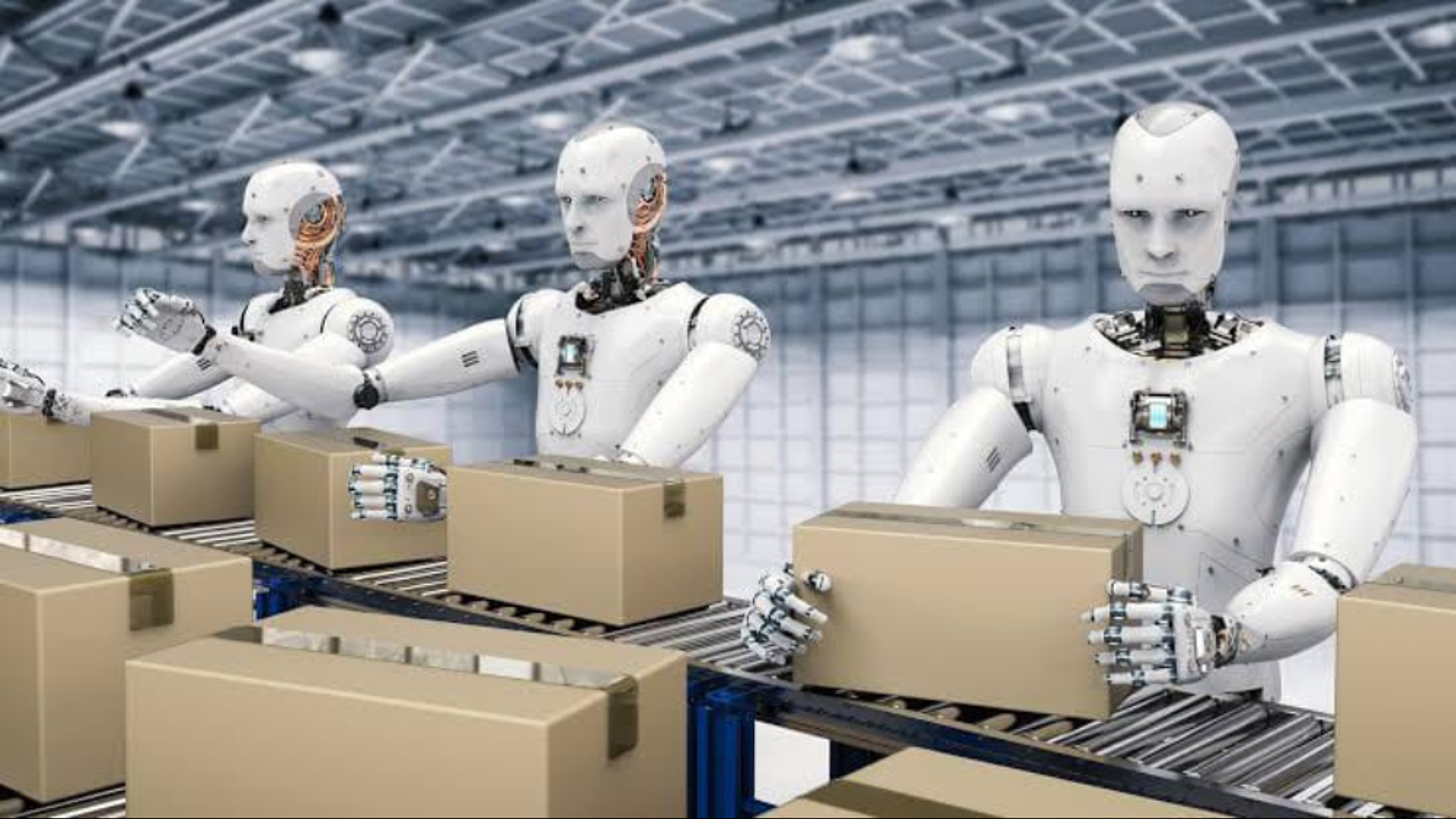
Robot automation is not limited to sci-fi movies anymore. In 2026, robots are playing their part in factories and warehouses. These robots are being deployed to move goods from one place to another and handle repetitive work.
From industrial robotic arms working in an assembly line to autonomous robots moving material in warehouses, automation is surely changing the way companies used to operate earlier. And developments in AI, computer vision, sensors, and machine learning are also making robots way more capable than they used to be.
Wondering why companies are moving towards automation real quick? Well, there are many reasons behind that. First things first, businesses want to increase productivity. Secondly, they want to overcome the problem of labor shortage. Moreover, warehouse/factory owners are also prioritising workplace safety along with reducing operating costs. At the same time, the technology is becoming more accessible to smaller companies that could not afford sophisticated robotic systems in the past.
However, there’s a lot more to the story. Robots can, of course, improve a business, but the thing is that they can create new problems, too. These might include high initial costs and maintenance requirements, along with the need for skilled workers and much more. So, is robot automation really worth it in 2026? Well, the answer depends on how and where it is used.
What is Robot Automation?
Robot automation basically means using programmable machines that are capable of performing physical tasks. The robots can be designed to perform simple and repetitive tasks. Plus, they can perform complex tasks too with the help of cameras, sensors, artificial intelligence, and advanced control systems.
When it comes to the manufacturing sector, these robots can be used for a variety of tasks. These may include welding, painting, assembly, packaging, machine tending, and material handling. Talking about warehouses, these machines can be deployed to perform tasks that involve moving objects from one place to another and other such activities.
The tech sector, as we all know, is growing super fast. It is now moving beyond those traditional industrial environments. Robots are being introduced in hospitals, restaurants, agriculture, and even in homes. So, as robots are becoming more and more common in different industries, businesses are looking at both the pros and cons of opting for them. Let’s take a closer look at the key advantages and disadvantages of robot automation.
Advantages of Robot Automation
Robot automation can prove to be extremely beneficial for a variety of industries. It can help businesses improve their productivity as well as maintain consistent quality. Here are a few advantages of deploying robots in workplaces:
Longer Working Hours
One of the biggest benefits of robots is that they are capable of operating for longer periods. A robot does not need to take lunch breaks or go home at the end of a shift. With the right maintenance and operating conditions, robotic systems can run around the clock.
This can be particularly useful for factories and warehouses that operate multiple shifts. Instead of increasing the workforce to meet rising demand, a company may be able to increase production by making better use of its existing robotic systems.
Industries that face labor shortages can greatly benefit from robot automation. However, it’s worth mentioning here that operating round the clock doesn’t mean robots can be left alone without any kind of supervision. And that’s because they still need to be monitored and maintained. And in fact, at times these robots require human intervention, too.
Better Quality and Consistency
Human workers do tend to get tired after performing repetitive tasks throughout the day. They can even get distracted or make mistakes, though the nature of work remains the same. But this is where robots make the difference because they don’t get tired. Once properly programmed for a particular task, robots can perform the same movement thousands of times, and that too with a high level of consistency. So, robot automation is particularly beneficial for industries where even a small error can become the reason for defective products or expensive rework.
However, with all these plus points of a robot, one must remember that a robot’s performance depends on its programming and sensors. If a robot is not calibrated properly, there’s a high chance that it makes the same mistake over and over again.
Robots Take on Risky Jobs
Another great advantage of automation is that it keeps human workers away from environments that can be dangerous or physically demanding. Robots can take care of tasks that involve extreme heat or toxic fumes and even the ones that require using sharp tools or hazardous chemicals. In fact, in some industries, automated robots can even go to places that are unsafe for humans.
This significantly reduces workplace injuries. And employees can focus on safer and more valuable responsibilities. Collaborative robots, aka cobots, are designed to work closer to humans. Because of having safety systems and sensors, these cobots can help human workers. However, all this doesn’t mean robots are capable of totally eliminating workplace risks. Businesses still need proper safety checks and training.
Lower Long-Term Costs
Robotic systems can require significant investment at the beginning. However, companies may achieve savings over several years through higher productivity, lower waste, reduced downtime, and less dependence on manual labor for repetitive work. The financial benefits are often strongest when robots are used frequently and for tasks that are highly repetitive.
For example, a company running several production shifts may achieve a better return on investment than a business that only needs a robot for a few hours each day. The important point is that automation should not be judged only by the price of the robot. Companies need to consider the full cost of installation, software, training, maintenance, energy, and integration.
Automation Supports Growth
Automation can make it easier for companies to increase production without expanding their workforce at the same rate. Modern robots are also becoming more flexible. Some systems can be reprogrammed or moved to different tasks as production requirements change.
This is particularly useful for manufacturers producing multiple products or operating in fast-changing markets. AI is likely to push this flexibility further. As robots become better at understanding their surroundings and responding to changes, they may become useful in environments that were previously considered too unpredictable for automation.
Disadvantages of Robot Automation
Though there are lots of advantages of robot automation, it is worth noting that it has a few disadvantages, too. Businesses may face high upfront costs or technical problems. So, before investing in automation, companies must have a look at these disadvantages:
High Upfront Investment
The biggest obstacle for many businesses is the cost of getting started. Buying a robot is only one part of the investment. Companies may also need new software, cameras, sensors, safety systems, conveyors, tooling, networking equipment, and facility modifications.
Integration can become especially complicated when robots need to communicate with existing machines and software. For large manufacturers, these costs may be easier to absorb. For small and medium-sized businesses, the investment can be much harder to justify. This is why businesses should calculate the expected return before purchasing a robotic system rather than assuming automation will automatically save money.
Difficulties with Unpredictable Tasks
Robots are excellent at performing clearly defined tasks. However, they become more challenging to deploy when the environment is constantly changing. A robot may easily pick up the same object from the same location every few seconds. But what happens when the object changes shape, becomes damaged, moves unexpectedly, or is partially hidden?
AI and computer vision are helping robots deal with these situations, but the technology still has limitations. Human workers remain better at handling many tasks that require common sense, creativity, improvisation, and social understanding. This means the most successful automation strategies often involve humans and robots working together rather than attempting to replace every human task.
Need for Skilled Workers
Robots may reduce the need for certain repetitive jobs, but they also create demand for different skills. Companies need people who can install, program, operate, troubleshoot, and maintain robotic systems. Employees may need training in areas such as robotics, data analysis, programming, safety, and system monitoring.
This transition can be difficult for businesses that lack skilled workers. For this reason, automation is not simply a technology investment. It is also a workforce investment. Companies that introduce robots without preparing their employees may struggle to get the full value from their systems.
Growing Cybersecurity Risks
Modern robots are increasingly connected to company networks, cloud platforms, remote monitoring systems, and other digital tools. This connectivity, of course, provides useful capabilities. But it does involve a new kind of security risk.
In case of a cyberattack, production can be disrupted, and even sensitive information can be exposed. As factories become more connected, it is becoming very hard to separate the physical world from the digital world. So, that’s exactly why companies that plan to adopt automation must have strong cybersecurity solutions. Network segmentation, access controls, software updates, secure authentication, and regular security testing should all be part of the automation strategy.
The Cost of Maintenance
Robots are capable of reducing some types of human errors. But one must not forget that these are, after all, machines. And machines do tend to wear out. Their sensors can malfunction, and motors can stop working. Their software can have problems, too. In fact, the whole production process might stop because of some damaged component.
When companies deploy larger fleets of robots, the maintenance gets even more important. In order to run operations smoothly, businesses need spare parts, trained technicians, predictive maintenance systems, and service agreements. And in some cases, the cost of unexpected downtime can be way higher than the cost of routine maintenance.
The Bottom Line
Robot automation indeed offers a powerful combination of speed, consistency, safety, and scalability. It helps businesses increase productivity and improve the quality of their products. Moreover, it also reduces workplace hazards by performing tasks that can be dangerous for human workers.
However, automation is not magic. It does have some challenges, too. High upfront costs, maintenance requirements, and cybersecurity risks also come side by side. Even today, robots can face difficulty while dealing with unpredictable situations. And this is where human creativity and common sense come into play.
In order to make the most out of their investments, business owners must make wise decisions. They should clearly opt for using robots where they provide the most value. And at the same time, they must involve humans in the areas where human skills matter the most.
The businesses that benefit most from automation will not necessarily be those that use the most robots. In fact, the businesses that understand which tasks should be automated and which should remain human-led would be the ones that will benefit the most from it. Plus, they must also know how the two can work together effectively. In 2026, this balanced approach is what will be the most realistic path toward a more automated future.
More articles on this topic
60 articles ReportChina's Humanoid Supply Chain Moves Toward Industrial Production
 ReportChina Launches First National Standards for Humanoid Robots
 ReportCounterpoint Expects Work Applications to Drive 90% of Humanoid Shipments by 2030
 ReportUnitree’s 'Superman' Robot Claims to Outrun Usain Bolt
 ReportForeign Investors And Tech Executives Pay Up To $15,000 To Tour China’s Factories
 ReportCan Certified Robots Compete With China's Cheap Patrol Bots?
 ReportQuadruped Robots Are Becoming Big Business: Here’s Why The US Is Targeting Chinese Makers
 ReportHumanoid Robots Hit Mass Production
 ReportHow Robots Are Learning to Read Minds?
 ReportAre Humanoid Robot Videos Misleading Us?
 ReportHow Do Collaborative Robots Increase Workplace Safety?
 ReportHow to Train a Humanoid Robot for Hard Work
BUSINESS NEWS WEEKLY LETTER
The Weekly Letter for Robotics Professionals, Summarizing the Most Important Industry Moves, Launches, Deals and Signals.