What is Samsung’s Robotics Strategy?
Samsung’s robotics strategy focuses on AI, software platforms, and hardware to create intelligent robots that work across factories, healthcare, offices, and homes.

August 4, 2026 by Carl
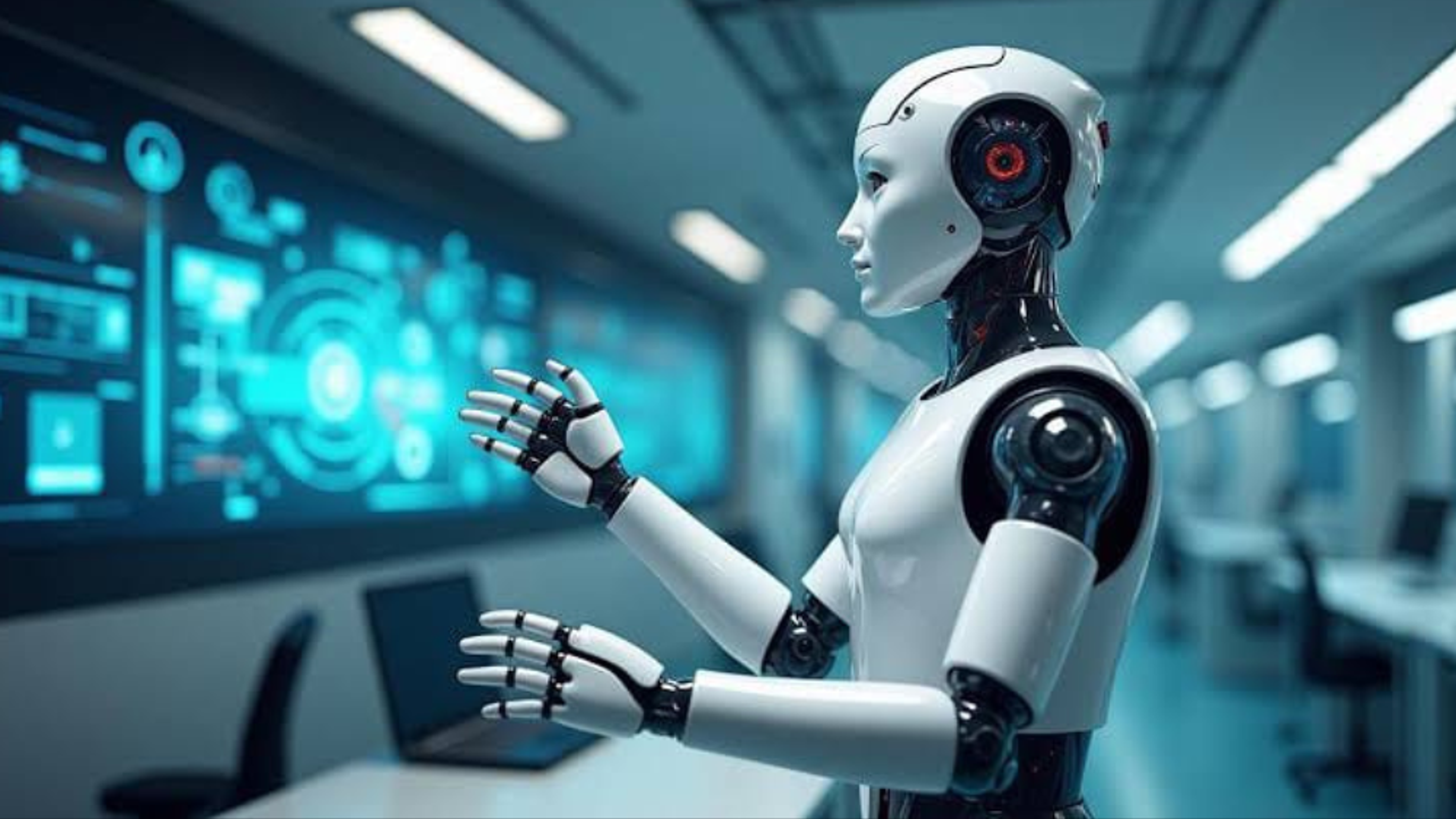
Robotics, over the past decade, has entered offices, hospitals, public places, and even our homes. During this time, AI has made robots smarter and capable of performing tasks that were once possible for humans only. And as this technology is advancing, major tech giants around the world are opting to invest heavily in robotics. Their goal is not just to create robots. In fact, they aim to shape the next generation of intelligent systems. And one such company is Samsung.
Samsung, headquartered in Suwon, South Korea, is very well known for smartphones, televisions, semiconductors, and home appliances. But now, robotics has also entered the company’s major long-term technology priorities. Rather than focusing on just one particular robot or market, Samsung is developing technologies that can support a variety of robotic systems, including industrial automation and future service/home robots.
Now, this approach is what shows Samsung’s broader vision. The company doesn’t consider robots as just machines, but sees them as intelligent devices that combine artificial intelligence, advanced software, sensors, cloud computing, and connected ecosystems.
Moving Beyond Traditional Robots
For many years, robots were considered machines that could only operate in factories/warehouses, etc. They were, in fact, designed to perform repetitive tasks in controlled environments. Well, these machines surely proved to be beneficial in making manufacturing efficient. But there were a few issues, like the lack of flexibility. And another problem was that these robots weren’t designed to work closely alongside humans.
However, Samsung had a different point of view. The company believed that the next generation of robots would be very different. According to Samsung Research, development in AI, robotics, and cloud computing is redefining the capabilities of robots. The future robots must understand their surroundings and identify objects. Plus, they should be able to interact with humans, and if the environment around them changes, they should make decisions accordingly. Following fixed instructions won’t be enough. Due to this shift, more opportunities are being created for robots not only in manufacturing but also in offices, healthcare, retail, logistics, and eventually homes.
Samsung’s Core Strategy
Samsung’s robotics strategy is built on three major technology pillars. Together, they create the foundation for the company’s long-term robotics ambitions.
Robot Intelligence
Artificial intelligence sits at the center of Samsung’s robotics vision. Modern robots need far more than mechanical movement. They must understand the world around them, recognize objects, avoid obstacles, plan their actions, and safely interact with people. Samsung’s research focuses on developing intelligent software that allows robots to perform these tasks in real-world environments.
For example, a robot working inside a warehouse or office may encounter moving people, furniture, or unexpected obstacles. Instead of stopping every time something changes, the robot should be able to analyze the situation, adjust its route, and continue its task safely.
This requires technologies such as computer vision, spatial understanding, motion planning, object recognition, and AI-based decision-making. Rather than treating these as separate features, Samsung is combining them into integrated intelligence systems that can support different kinds of robots across multiple environments.
A Flexible Robotics Platform
Building a robot is only part of the challenge. Developers also need software that allows different robots to share common capabilities without starting from scratch every time. Samsung is therefore developing a robotics platform that acts as a common foundation for future robotic systems.
This platform includes technologies such as simultaneous localization and mapping (SLAM), navigation, obstacle detection, spatial understanding, motion planning, and development tools that help engineers create new robotic applications more efficiently. It also provides standardized software interfaces so that different hardware systems can work together more easily.
In simple terms, Samsung wants to build the operating foundation that future robots can rely on, much like modern operating systems provide a common platform for smartphones and computers. This strategy could allow Samsung to introduce new robotic products more quickly while continuously improving the software that powers them.
Advanced Robotics Hardware
Even the smartest AI cannot perform well without reliable hardware. That is why Samsung is investing heavily in robotics hardware alongside software development. This includes sensors, actuators, locomotion systems, robotic manipulation, and control technologies that allow robots to move naturally and perform physical tasks accurately.
One of Samsung’s goals is to make robotic systems more affordable while improving their reliability. Cost has long been one of the biggest barriers preventing robots from being widely adopted outside factories. By designing more efficient hardware and combining it with AI-based control systems, Samsung hopes to develop robots that are practical for a much wider range of real-world applications.
Samsung and Rainbow Robotics
Samsung’s long-term commitment to robotics became even clearer when they joined hands with Rainbow Robotics and ultimately became their biggest shareholder. This step was not taken just to add another company to their business portfolio. In fact, it was a part of Samsung’s broader strategy of accelerating advanced robot development.
Rainbow Robotics is widely famous for its expertise in robot mobility and humanoid technologies. Now what happens when their experience and Samsung’s strengths in AI and consumer electronics come together? Well, the answer is quite obvious! Together, both companies can develop technologies that would otherwise have been difficult for them if they did it all independently.
What Makes Samsung’s Strategy Different?
You must have seen many robotics companies that focus on just one type of robot. Then there are also companies that concentrate on solving a particular problem. Now, here, Samsung’s robotics strategy is what sets the company apart!
First things first, the company doesn’t focus on making a particular type of robot. Rather, the company is investing in technologies that would be necessary for different types of robots. The South Korean tech giant is giving equal importance to artificial intelligence, software platforms, sensing, locomotion, manipulation, and hardware development. Wondering what the reason is? Well, when all these things come together, they make a full-fledged advanced robotic system.
Moreover, Samsung, as we all know, is one of the most popular tech companies. The company is self-sufficient when it comes to developing advanced semiconductors, AI technologies, image sensors, displays, batteries, and connected devices. Well, these are the technologies that support the development of robotics. And the best part is that because of having all these technologies in-house, the company doesn’t depend on external suppliers.
Another prominent aspect of Samsung’s robotics strategy is integration. As per the company, robotics is not a separate product category. They believe that in the future, robots will be a part of a connected ecosystem with AI, cloud services, and smart devices working together. This will help future robots communicate more naturally with other Samsung products and, as a result, we, as users, will get a more seamless experience.
Looking Ahead
The robotics industry is advancing very fast. Building robots that are actually trustworthy as well as affordable, and can work safely in real-world environments is still a challenge. Samsung’s strategy is all about seeking long-term solutions in order to solve these challenges. Their approach is based on investing in artificial intelligence, robotics software, advanced hardware, and strategic partnerships.
Rather than making standalone robots, Samsung is developing technology behind them. The company wants to build ecosystems that can support different kinds of intelligent robots. These robots, with the passage of time, will be the ones that would perform super efficiently in manufacturing, healthcare, commercial spaces, and homes.
The company, as we all know, has gained expertise in semiconductors and consumer electronics over the years. Now, this expertise is what benefits the brand, too. Plus, their partnership with Rainbow Robotics also makes their robotics capabilities stronger.
The company knows that the future of robotics is not limited to building robots only. The real thing is creating systems that have each and everything required to speed up the process. As the field of robotics is advancing, Samsung surely appears to be fully ready for what comes next.
More articles on this topic
60 articles ReportChina's Humanoid Supply Chain Moves Toward Industrial Production
 ReportChina Launches First National Standards for Humanoid Robots
 ReportCounterpoint Expects Work Applications to Drive 90% of Humanoid Shipments by 2030
 ReportUnitree’s 'Superman' Robot Claims to Outrun Usain Bolt
 ReportForeign Investors And Tech Executives Pay Up To $15,000 To Tour China’s Factories
 ReportCan Certified Robots Compete With China's Cheap Patrol Bots?
 ReportQuadruped Robots Are Becoming Big Business: Here’s Why The US Is Targeting Chinese Makers
 ReportHumanoid Robots Hit Mass Production
 ReportHow Robots Are Learning to Read Minds?
 ReportAre Humanoid Robot Videos Misleading Us?
 ReportHow Do Collaborative Robots Increase Workplace Safety?
 ReportHow to Train a Humanoid Robot for Hard Work
BUSINESS NEWS WEEKLY LETTER
The Weekly Letter for Robotics Professionals, Summarizing the Most Important Industry Moves, Launches, Deals and Signals.