Which Jobs Will Humanoid Robots Replace First?
A robot that behaves just like a human and has legs and arms to properly walk and pick up things is called a humanoid robot. These robots can work 24/7 without getting tired.

August 5, 2026 by Carl
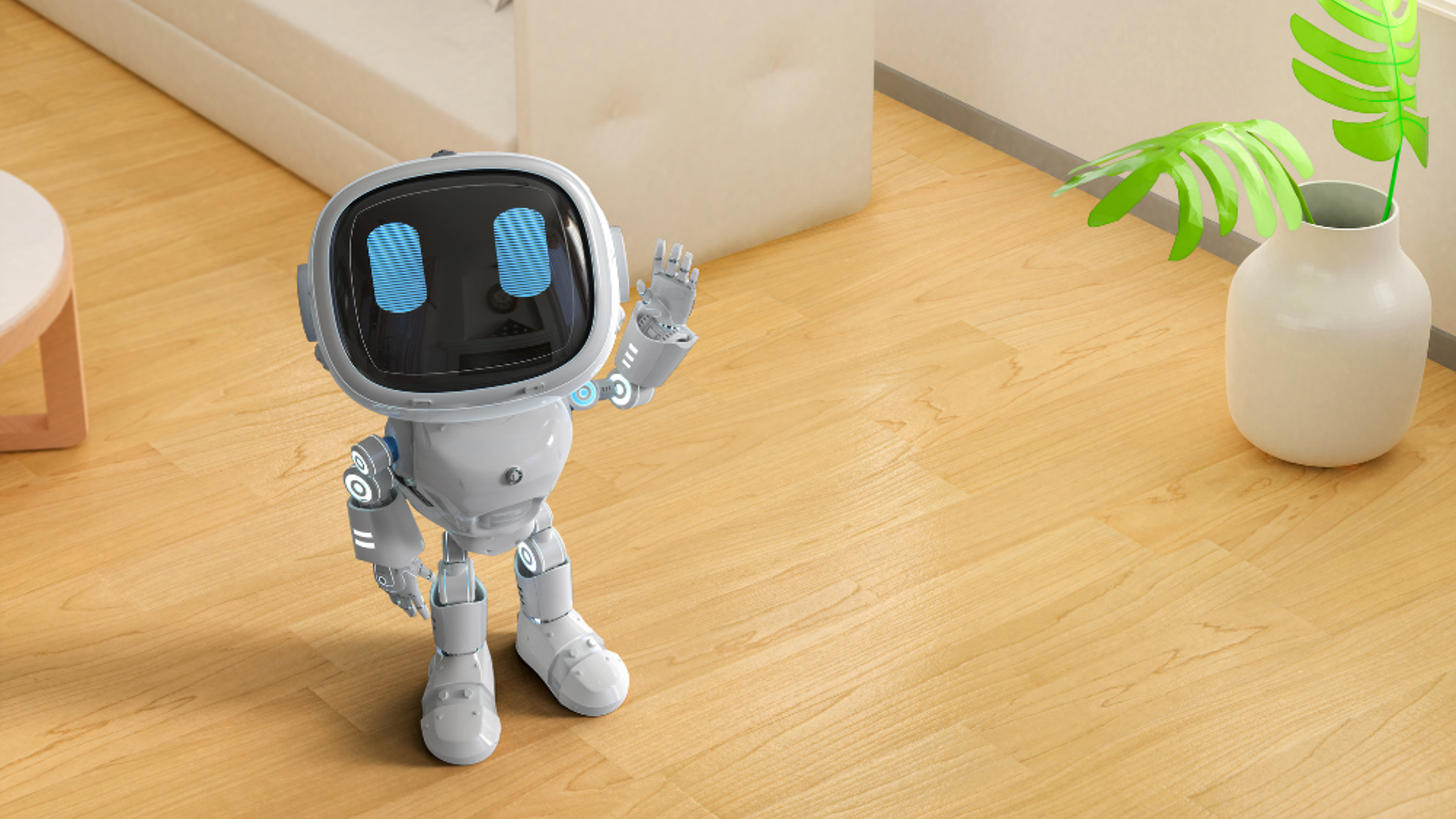
There is so much talk about humanoid robots on the internet, but do you know what exactly they are? A robot that behaves just like a human and has legs and arms to properly walk and pick up things is called a humanoid robot.
These robots can work 24/7 without getting tired. They do not need breaks or a day off for vacations or rest. That seems totally unreal, but in 2026, it is a real thing. And most importantly, it is happening in factories and warehouses all over the world.
But the question nowadays on everyone’s mind is which jobs they are going to replace. You may call it a fear, but that is not as scary as it seems.
First, What Even is a Humanoid Robot?
A humanoid robot, as told above, behaves just like a human. It has arms and hands to pick up things. It can walk on its legs and even talk back to you.
Not only this, but it can also see its surroundings using the cameras inside. It can understand voice commands and respond accordingly. The modern humanoids are even much better, as they can observe the surroundings and figure out on their own what to do next without waiting for instructions.
The Money Behind All This
Before we go deep into which jobs are at risk, first understand how much money is flowing into this sector. This will help you know how serious people are.
According to Goldman Sachs, the global humanoid robot market could grow to around $38 billion by 2035. Morgan Stanley is even more optimistic. As per their estimate, the entire ecosystem could be worth nearly $5 trillion by 2050.
Another interesting thing that Goldman Sachs reported was that the prices are also declining very fast. Initially, the manufacturing cost was between $50,000 and $250,000. And now, surprisingly, that has been reduced to around $30,000 to $150,000. That is roughly a 40% decrease. What is driving this reduction in prices? Well, cheaper components and better supply chains, along with smarter designs, are all contributing to it.
Likewise, investors are also very confident in investing there. Between 2023 and 2025, robotics companies attracted more than $7 billion in venture capital funding. This definitely shows that investors believe the industry has huge long-term potential.
The Reality Check First
Before we jump to scary headlines, let’s be clear on what is actually happening around.
According to researchers at the University of New South Wales, repetitive physical jobs in structured places are the most at risk right now. But a mass replacement of human workers is not happening yet. The current crop of robots is better described as selective automation. They can do certain parts of a job, not an entire job from start to finish.
A report put it plainly: even Elon Musk admitted on Tesla’s Q4 2025 earnings call that Optimus was “not in usage in our factories in a material way” and that units were “primarily for learning, not productive tasks.”
The verified fleet of robots working in Western countries in mid-2026 is still in the low hundreds. Battery life is 1 to 4 hours on older models. Though newer ones are reaching 16-20 hours. No major wave of layoffs has been officially blamed on humanoids yet.
So why are we talking about all this? Because even though experts may disagree on the timeline, the direction is very clear. The real question is no longer “Will this happen?” It’s “Which jobs will robots take on first, and when?”
Which Jobs Will Be Affected First?
According to experts, humanoid robots are best suited for jobs that are:
- Repetitive – doing the same task over and over again.
- Physical – such as lifting, carrying, sorting, or moving items.
- In structured environments – like factories and warehouses, where the workflow is predictable and well organized.
- Facing worker shortages – places where companies struggle to hire enough employees.
1. Warehouse and Logistics Workers
Right now, warehouses are the biggest target for humanoids.
In early 2026, the U.S. warehousing industry had around 500,000 unfilled jobs. This shows how difficult it has become for companies to find enough workers. Robots don’t get sick. They don’t quit and don’t need health insurance either.
That’s why Amazon is using Digit robots in its warehouses. These robots move boxes and totes and help stock shelves. During testing, Digit logged more than 10,000 hours of work and handled about 300 boxes per hour. That is roughly 70% of the speed of a human worker.
Figure AI’s robots have also been doing logistics work.
The biggest reason warehouses are a great fit for robots is that they’re highly predictable environments. Straight aisles and identical shelves, along with standard-sized boxes, make the job much easier. Today’s humanoid robots perform best in these kinds of structured workplaces.
2. Factory and Assembly Line Workers
Car manufacturing has become the main testing ground for robots.
Tesla deploys Optimus in its own Fremont factory. BMW partners with Figure AI. Hyundai uses Boston Dynamics’ Atlas. These three partnerships alone represent some of the biggest car companies in the world betting on robots.
Figure AI reported that its robots contributed to the production of 30,000 cars at BMW in 2025. Figure 03 has since been deployed on new logistics workflows at BMW’s Spartanburg, South Carolina plant.
Why car factories? The same reason as warehouses. They are predictable, and the tasks are repetitive. Bolting, welding, moving parts, quality checks – these are things a well-trained robot can handle.
The automotive industry also already has decades of experience with industrial robots. Humanoids are the next step. Logistics, manufacturing, and automotive are expected to represent 72% of all humanoid robot installations by 2027.
3. Package Sorting and Delivery Hubs
In May 2026, Figure AI’s robots made headlines when a group of them worked nine straight days sorting packages, moving 238,000 packages. That sparked a massive conversation about how soon robots could replace workers at shipping hubs.
A human worker named Aime actually beat the robots in a sorting competition. He sorted 12,924 packages compared to the robot’s 12,732. But Figure CEO Brett Adcock said it would be the last time a human ever wins that race. That quote alone tells you a lot about where this is heading.
4. Hazardous Jobs
One area where almost no one argues against robots is hazardous work. Jobs that are genuinely dangerous for humans. Working in extreme heat, handling toxic materials, and inspecting unstable structures are places where robots can step in and save lives.
Construction robots are being tested to carry materials and check structures. They are also being tested in high-risk zones. Mining, firefighting support, and chemical plant inspection are other areas being explored.
In early 2026, Phantom MK-1 became the first humanoid deployed to an active combat zone for battlefield testing. This shows how quickly the military and defense sector is also getting interested.
5. Elder Care and Healthcare Support
The world’s population is getting older, fast. The global population aged 65 and above surpassed 1 billion in 2023. It is expected to reach 1.5 billion by 2050. At the same time, there simply are not enough care workers to go around.
Japan, South Korea, and China are already deploying robots in care homes. Robots like Paro, Hyodol, and Fourier GR-3 are being used to:
- Remind elderly people to take their medicine
- Monitor health signs like heart rate
- Help with basic mobility
- Provide companionship and conversation
The eldercare robot market was valued at $3.56 billion in 2026 and is growing at 12.5% per year. In March 2026, a company called Andromeda Robotics raised $17 million specifically to launch its “Abi” robot for senior care in the United States.
Robots are not replacing the warmth of human caregivers. But they are filling gaps that simply cannot be filled otherwise.
6. Retail and Customer-Facing Roles
This is a more controversial category. The reason is that it involves robots directly interacting with the public.
Humanoids are being tested in retail and hospitality settings. Here they greet customers, answer questions, and guide visitors. Think of the greeter at the front of a big store, or the hotel lobby concierge.
These jobs are not being replaced overnight. But the early signs are there. Xiaomi’s CyberOne robot, for example, is designed to recognize 85 sounds and 45 different emotions. It is being targeted at customer service and smart home management.
7. Cleaning and Janitorial Work
Floor cleaning, mopping, restocking supplies, emptying bins – these are repetitive tasks that robots are getting increasingly good at. Figure AI made waves in 2026 when it showed one of its robots cleaning a room from start to finish.
This is not glamorous work, but it is work that touches every school, hospital, airport, and office building in the world. The market for automated cleaning is growing steadily, and humanoid robots are starting to enter it.
What Jobs Are Safer, At Least for Now?
Not every job is at risk. There are many jobs that require creativity, critical thinking, judgment, emotional connection, or working in an unpredictable environment. In all those scenarios, robots can’t perform as well as humans.
A job involving more variation and more judgment than what a package-sorting demonstration shows is not at the point of mass replacement. Teachers, therapists, doctors, lawyers, artists, social workers, and plumbers work in unpredictable situations. These roles involve too much real-world variation and human judgment. And that is impossible for a robot to handle reliably.
The distinction to keep in mind: tasks get automated before jobs do. A nurse might have a robot handle some of the medication tracking, but the core of nursing stays human for a long time.
The Bigger Picture: When Does This Really Hit?
According to Science Robotics, from 2025 to 2035, humanoid robots are expected to be used mainly in structured environments where they can handle repetitive tasks. After 2035, the bigger question will be how well these robots can work in unstructured environments, such as homes and complex service jobs.
Morgan Stanley’s model puts physical, repetitive, hard-to-staff work as the first to be substituted, starting from around 2028. That is just under two years away.
The International Labour Organization’s 2025 exposure index found one in four workers use generative AI in some of their tasks. But the conclusion was that transformation is far more likely than outright replacement. That means your job might change shape before it is gone.
As of 2026, more than 140 companies around the world are developing humanoids. Competition is getting tough. And the cost of building these robots continues to fall. The companies that can make robots more reliable and safer, as well as ready for use, are likely to grow the fastest.
Robots aren’t coming to replace every job. For now, they’re mainly focused on repetitive tasks or jobs where worker shortages exist.
But this story isn’t just about jobs disappearing. It will also create new careers, new industries, and of course new opportunities. If we continue learning and updating skills, people can spend more time on work that requires creativity, critical thinking, and the human touch.
Robots are learning. The best thing we can do is make sure we never stop learning too.
More articles on this topic
60 articles ReportChina's Humanoid Supply Chain Moves Toward Industrial Production
 ReportChina Launches First National Standards for Humanoid Robots
 ReportCounterpoint Expects Work Applications to Drive 90% of Humanoid Shipments by 2030
 ReportUnitree’s 'Superman' Robot Claims to Outrun Usain Bolt
 ReportForeign Investors And Tech Executives Pay Up To $15,000 To Tour China’s Factories
 ReportCan Certified Robots Compete With China's Cheap Patrol Bots?
 ReportQuadruped Robots Are Becoming Big Business: Here’s Why The US Is Targeting Chinese Makers
 ReportHumanoid Robots Hit Mass Production
 ReportHow Robots Are Learning to Read Minds?
 ReportAre Humanoid Robot Videos Misleading Us?
 ReportHow Do Collaborative Robots Increase Workplace Safety?
 ReportHow to Train a Humanoid Robot for Hard Work
BUSINESS NEWS WEEKLY LETTER
The Weekly Letter for Robotics Professionals, Summarizing the Most Important Industry Moves, Launches, Deals and Signals.