Indian Army Plans to Fight Alongside Humanoid Robots by 2050
The Indian Army wants to send robots to the battlefield. They do not want to replace humans but to assist them.

July 10, 2026 by Carl
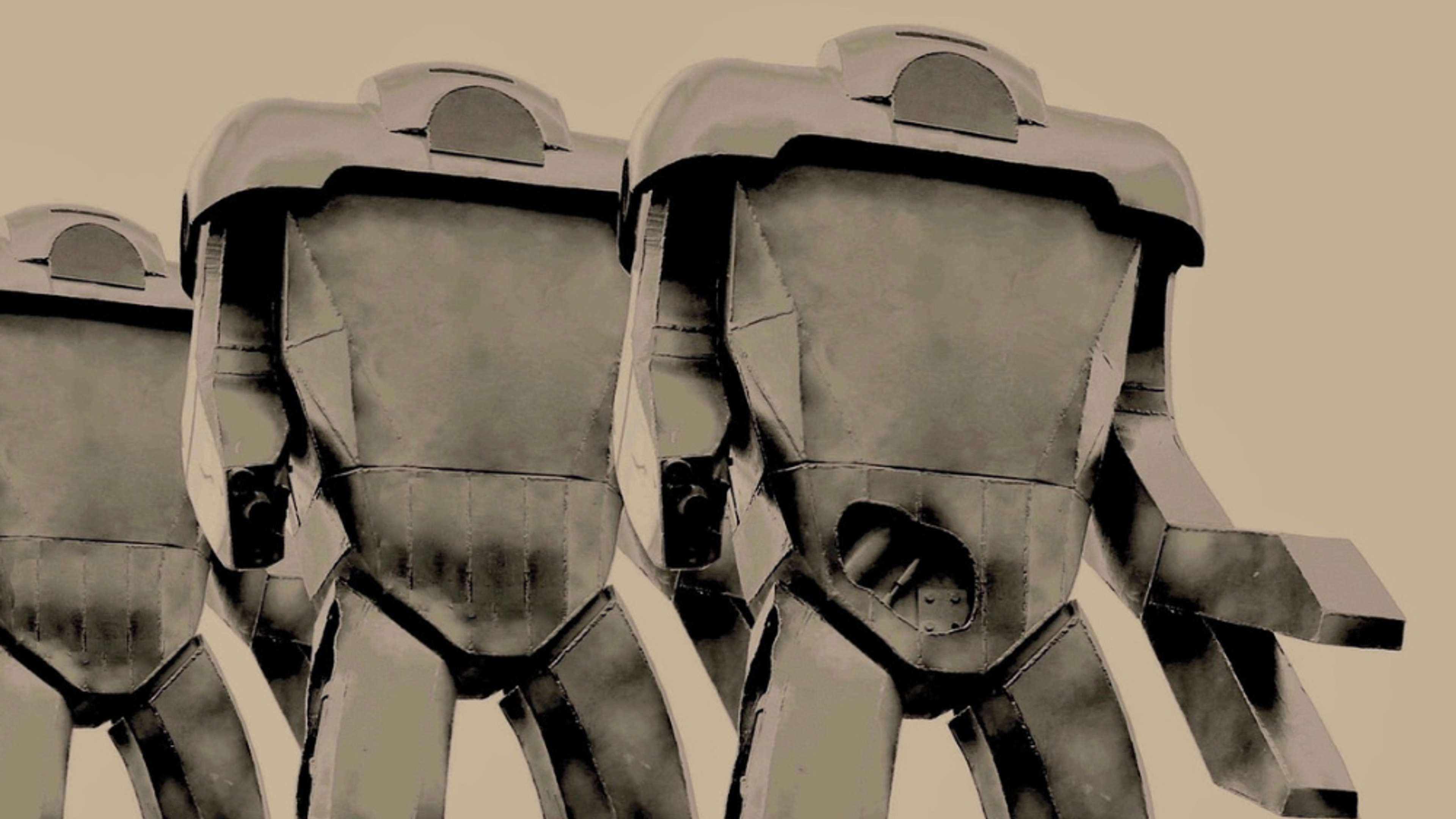
The Indian Army wants to send robots to the battlefield. They do not want to replace humans but to assist them. This may sound like science fiction. But not anymore. This is a real plan. And they have already started working on it.
What is the purpose behind all this? Well, they want these humanoid robots to work with the army in counterterrorism missions by the year 2050. This project is led by the Defence Research and Development Organisation. And this is part of the Army’s “Decade of Transformation” plan.
The idea behind this is called Human-Machine Teaming or HMT. Thinking, what does that mean? That means the AI robots will act as helpers. They will act as protectors on the battlefield. And human commanders will still make the important decisions. This way, the robots will be sent to dangerous zones. On the other hand, real humans will stay in control of what happens next.
The lab doing the heavy lifting on this is called the Research and Development Establishment (Engineers), based in Pune. This project has moved into advanced testing. And now they are hoping to complete this phase by 2027.
S. E. Talole and Kiran Akella are leading the technical side of the work. Currently, they are working on improving the balance of the robot. They just want it to process information quickly and move on its own.
What Can This Robot Do?
Think of messy areas, urban streets, dense forests, and steep mountains. Isn’t it difficult for humans to get through them? Of course, it is. That is the purpose behind designing these robots. They will access areas where it is difficult for humans to go.
The robot’s upper body has 24 degrees of freedom. That means it can move its arms and hands in 24 different ways. How is it beneficial? This acts just like humans. That means it can open doors, move obstacles, turn valves, and handle explosive materials. That means the soldiers don’t have to do all this on their own, risking their lives.
The main problem that engineers are working on is to give maximum stability to the robot. They need it to stay balanced on the floor. For that, they are using advanced actuators that work like artificial muscles. This helps the robots move through uneven surfaces and maintain their balance.
One of the best features is the incorporation of sensors. The first ones are the proprioceptive sensors. They track the limb and joint movements of the robot. Another type is called exteroceptive sensors. It includes cameras and microphones that help the robot see and understand its surroundings.
Above all that, SLAM (Simultaneous Localization and Mapping) technology will be used here. This will help the robot map out the area. This will help the robot know exactly where it is in real time.
The Roadmap
The task will be accomplished in three phases:
During the first phase, robots will not take part in any active combat. Their job will be different. They will be carrying heavy loads, delivering supplies, and going into contaminated areas. Taking over these jobs will help soldiers focus on real combat duties.
In Phase 2, robots will be working with infantry soldiers. Here, they will identify targets and collect intelligence information. They will also keep an eye on the battlefield.
In the final or third stage, the Army wants to deploy the robots fully by 2050. They will be working in the most dangerous areas. Robots will fight alongside soldiers on the front line. They will also process combat information and help plan strategies accordingly. These robots will be taking the biggest risks. So, it will give commanders more time to make clear decisions without taking pressure.
The Challenges Ahead
We all know that this won’t be an easy task. There are still many technical problems that need to be addressed. Like how long a robot’s battery will last and how it will be managed in the field? How reliable will the AI system be if something goes wrong? And what if a robot is shot? These questions really need answers moving ahead.
However, one thing is clear: the momentum is building. DRDO is doing its best in research. The Army is also committed to the timeline. What do you think will be the consequences? If everything goes as planned, soldiers won’t be going to the most dangerous places anymore.
More articles on this topic
235 articles ReportWhat it Really Costs to Own a Personal Assistant Robot at Home
 ReportA Little Company, Courtesy of a Robot
 ReportA Humanoid Walks into a New York Park
 ReportRailway Inspection Robots Search for Defects in Tracks
 ReportChina's Humanoid Supply Chain Moves Toward Industrial Production
 ReportCompanionship now comes with a Charging Cable
 ReportCould a Robotic Guide Help Blind Travelers Navigate Public Spaces?
 ReportThis Robot Finds Cracks and Fixes Them
 ReportXPENG's IRON Humanoid Adapts to Changing Human Gestures in Real Time
 ReportRobots Are Learning to Sort Clothes for Textile Recycling
 Report110 Humanoid Robots Set Guinness World Record With Synchronized Dance
 ReportScientists Teach Humanoid to Climb Ladders and Survive Falls
BUSINESS NEWS WEEKLY LETTER
The Weekly Letter for Robotics Professionals, Summarizing the Most Important Industry Moves, Launches, Deals and Signals.