Tesollo Moves Toward IPO as It Keeps Building Robot Hands
South Korean robotics company Tesollo is preparing itself for the next stage of growth. They have started preparing for an IPO (Initial Public Offering) next year.

July 8, 2026 by Carl
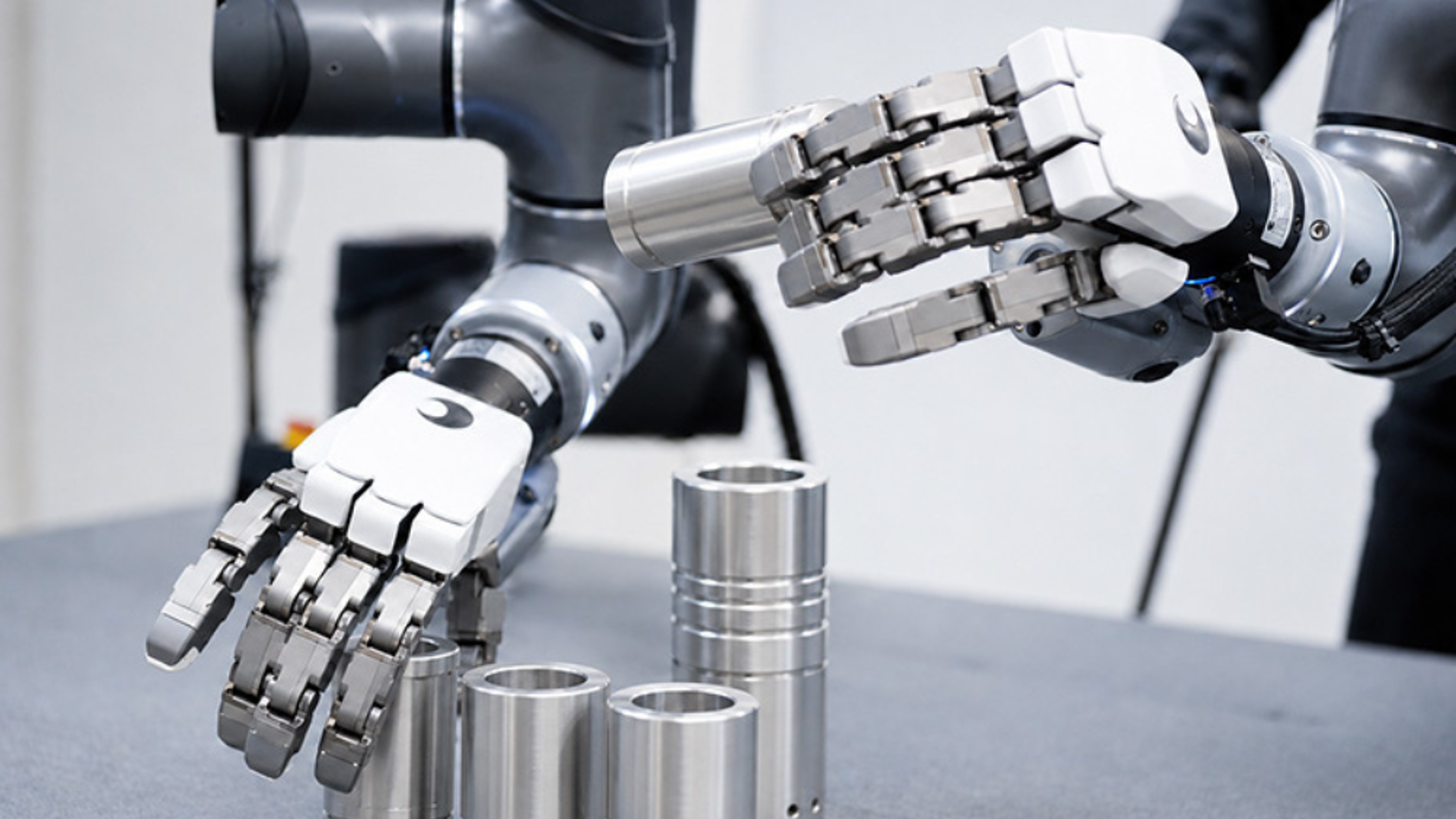
Day by day, robots are becoming more capable. And now the companies are also putting in more efforts to develop long-lasting and efficient robotic hands. South Korean robotics company Tesollo is preparing itself for the next stage of growth. The company is mainly known for making robotic hands. They have started preparing for an IPO (Initial Public Offering) next year. Besides, the company has also completed its Series B funding. This will help grow the company worldwide.
Tesollo is based in Incheon, South Korea, and makes robot parts. They also build advanced end-of-arm tools, which are called end effectors. The advantage of these parts is that they help move robots on their own. And the best part is that they can efficiently work alongside human beings.
The company is very hopeful that the IPO will help build more trust with customers all over the world. They also want to keep improving their technology so they can be a top name in the robotic hands industry.
Young-Jin Kim, the CEO of Tesollo, said:
“Through our IPO, we aim to establish a corporate foundation that global customers can trust and accelerate our expansion into overseas markets. By strengthening our mass-production capabilities and advancing our core technology development, we will continue to grow into a global leader in the robotic hand sector.”
Several investors who already backed Tesollo before also joined this new funding round. These include POSCO Technology Investment, KB Investment, and Enlight Ventures. New investors from the industrial side, such as Daesung Hi-Tech and HL Mando, joined as well. Tesollo says this shows that people in the industry believe in its technology and its future growth.
Tesollo Speciality in Robotic Hands
At the start of this year, Tesollo showed off its DG-3 three-finger gripper and other products at the AW 2026 event. The company makes a variety of robotic hands. They have simple two-finger grippers called the DG-2F. And they also have advanced five-finger hands, which they call the DG-5F.
They also have another model, the DG-5F-S. You know what the best thing about this model is? It only weighs less than a kilogram. Despite this weight and smaller size, it performs exceptionally well. Tesollo says that its cost is 60% less than the earlier version. This is the best part, as it will help robots become more affordable.
At the Robotics Summit & Expo, along with the ICRA conference, Tesollo brought other products. They presented the DG-5F-M and DG-5F-S hands there. Several demos were made by the company. These included robotic remote-control operation, in addition to picking up small objects and a VLA (Vision-Language-Action) system.
So what does all that mean? This shows that Tesollo is very determined and has a clear path regarding these products. They want to lead the industry that makes multi-jointed hands for humanoid robots.
Why Repair Time Matters
You know what the hardest part of robotics is? To make those robotic hands. These are as complex as the rest of the robot body. Because these hands are continuously in use while lifting and gripping objects, they are more prone to damage. They wear out faster than other parts of the robot body.
Two things matter a lot when you need to judge a robot:
The first thing is MTBR, which means “mean time between repairs”. This shows how long a robot hand will last before it breaks down.
The second thing is MTTR, which stands for “mean time to repair”. That means how long it takes to fix a robot hand once it breaks.
Companies that use humanoid robots complain about the performance of these hands. They say these hands break often and take too long to get repaired. The reason is clear. According to an analysis by ENGtechnica on the humanoid hand bottleneck, just like human hands, robotic hands also have a vast network of small motors and cables. These all work together to make a hand perform well. Even if there is a minute problem with a part or it fails to work, the whole hand can stop working.
Tesollo says that they already knew this problem, so they have improved it in their DG series. What they have done is quite impressive. They have designed the DG series in a way that it is now easy to replace the broken fingers and joints. And it will also require less time to do all this without the need to detach the whole hand.
The biggest challenge is still there, which is the flexibility of hands to perform various tasks and last longer. This is still difficult to achieve. At the same time, reliability remains a tough challenge for every company in this field. Right now, no company has reached a certified 10,000-hour MTBR for its robotic hands. Experts say this number will be the main deciding factor in choosing whether robots are ready to be deployed in factories or used in everyday businesses.
More articles on this topic
235 articles ReportWhat it Really Costs to Own a Personal Assistant Robot at Home
 ReportA Little Company, Courtesy of a Robot
 ReportA Humanoid Walks into a New York Park
 ReportRailway Inspection Robots Search for Defects in Tracks
 ReportChina's Humanoid Supply Chain Moves Toward Industrial Production
 ReportCompanionship now comes with a Charging Cable
 ReportCould a Robotic Guide Help Blind Travelers Navigate Public Spaces?
 ReportThis Robot Finds Cracks and Fixes Them
 ReportXPENG's IRON Humanoid Adapts to Changing Human Gestures in Real Time
 ReportRobots Are Learning to Sort Clothes for Textile Recycling
 Report110 Humanoid Robots Set Guinness World Record With Synchronized Dance
 ReportScientists Teach Humanoid to Climb Ladders and Survive Falls
BUSINESS NEWS WEEKLY LETTER
The Weekly Letter for Robotics Professionals, Summarizing the Most Important Industry Moves, Launches, Deals and Signals.